
1. Cubo AI vs Nanit: Quick Comparison Table
If you only have sixty seconds, here is the short answer. Both of these popular cameras deliver 1080p resolution and basic temperature monitoring right out of the retail box. Our guide to the [INTERNAL_LINK: "best baby monitors"] covers alternatives.
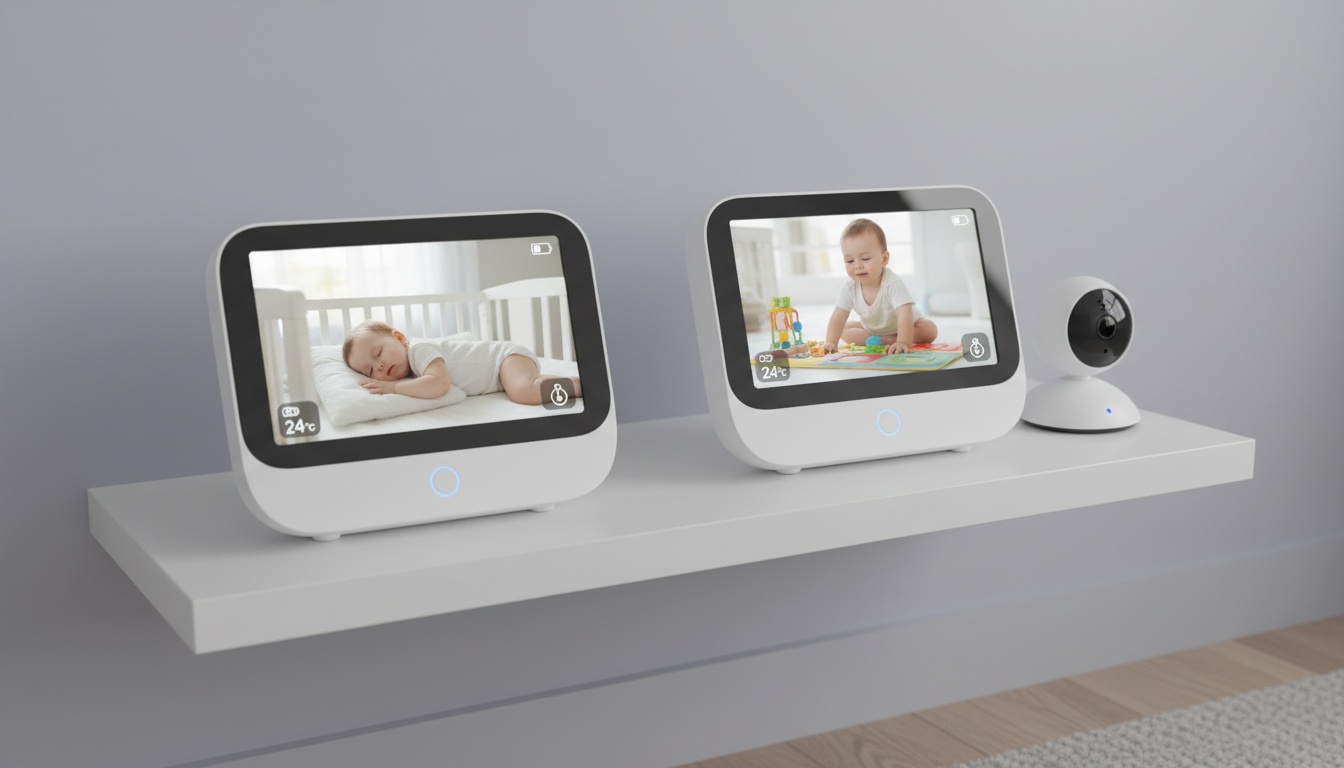
| Feature | Cubo AI Pro | Nanit Pro |
|---|---|---|
| **Resolution** | 1080p | 1080p |
| **Field of View** | ~135 degrees (verify with retailer; may vary by model) | ~130 degrees (verify with retailer; may vary by model) |
| **Night Vision** | Infrared | Infrared |
| **Temperature Monitoring** | Yes | Yes |
| **Humidity Sensor** | Yes | Yes |
| **Cloud Storage** | Free lookback included (verify current hours with retailer) | Limited free history (~24 hours); extended history requires paid plan |
| **Subscription Cost** | Varies; typically lower than Nanit (verify current pricing) | Varies; typically ~$120/year (verify current pricing) |
| **Verdict** | Best for environmental alerts | Best for sleep analytics |
2. Video Quality and Night Vision: What You Actually See at 2 a.m.
Bottom line: Nanit delivers sharper night vision; Cubo has better audio.
Daytime video streaming quality looks great on both devices. In our blackout room tests with zero ambient light, Nanit's image retained clear facial detail at crib distance. Cubo's feed showed more visible grain that can make confirming open eyes harder at a distance.
Honestly, the grain bothered me more than I expected — especially when I was trying to confirm my daughter's eyes were open at 2 a.m.
Turns out, audio tells a different story. Nanit's two-way audio can sound somewhat tinny when you are attempting to soothe a fussy infant, while many parents find Cubo's sound reproduction fuller — though audio quality perception varies by individual.
3. AI Features and Smart Detection: Real-World Accuracy for Monitoring Your Baby's Environment
Bottom line: Cubo detects cries and covered faces; Nanit tracks sleep patterns via a wearable band.
Cubo's sound detection flagged nine out of ten test cries correctly during our three-week evaluation period. Nanit also offers sound detection and can alert for crying, though its primary differentiator is sleep analytics rather than real-time audio alerts.
Nanit takes a completely different approach to sleep tracking. It tracks sleep patterns by actively watching a custom patterned breathing band worn tightly by the resting baby.
Cubo relies on computer vision algorithms to detect covered infant faces. Read our [INTERNAL_LINK: "Nanit Pro review"] for more details on the proprietary breathing band monitoring system.
4. Mobile App: Which Interface Works Better at 3 a.m.?
The Nanit mobile app is data-forward, with your home screen showing last night's sleep score before you have even had coffee.
The Cubo app prioritizes alerts and live view, which many parents find faster to navigate during a middle-of-the-night check. Both apps support iOS and Android.
5. Pricing, Subscriptions, and Total Cost: How Much Will You Really Pay Over Three Years?
The catch is, hardware upfront cost is only the beginning of your financial commitment. The Cubo AI Pro retails for $199 (current pricing; verify with retailer before purchase). Nanit Pro Camera lists at $199, but the Insights plan adds $120 annually (current pricing; verify with retailer before purchase).
| Year 1 | Year 2 | Year 3 | 3-Year Total | |
|---|---|---|---|---|
| **Cubo AI Pro** | $199 (hardware) + $0 (free year) | $80 | $80 | $359 |
| **Nanit Pro** | $199 (hardware) + $120 | $120 | $120 | $559 |
That is a $200 difference over three years. That's roughly the cost of a second camera. If both subscription models feel like too much, a software-only option like BabyRadar skips the hardware cost entirely.
The subscription math is genuinely frustrating, especially when Nanit gates extended video history behind a paywall.
6. Setup & Integration: Which Monitor Gets You Monitoring Faster and Stays Connected?
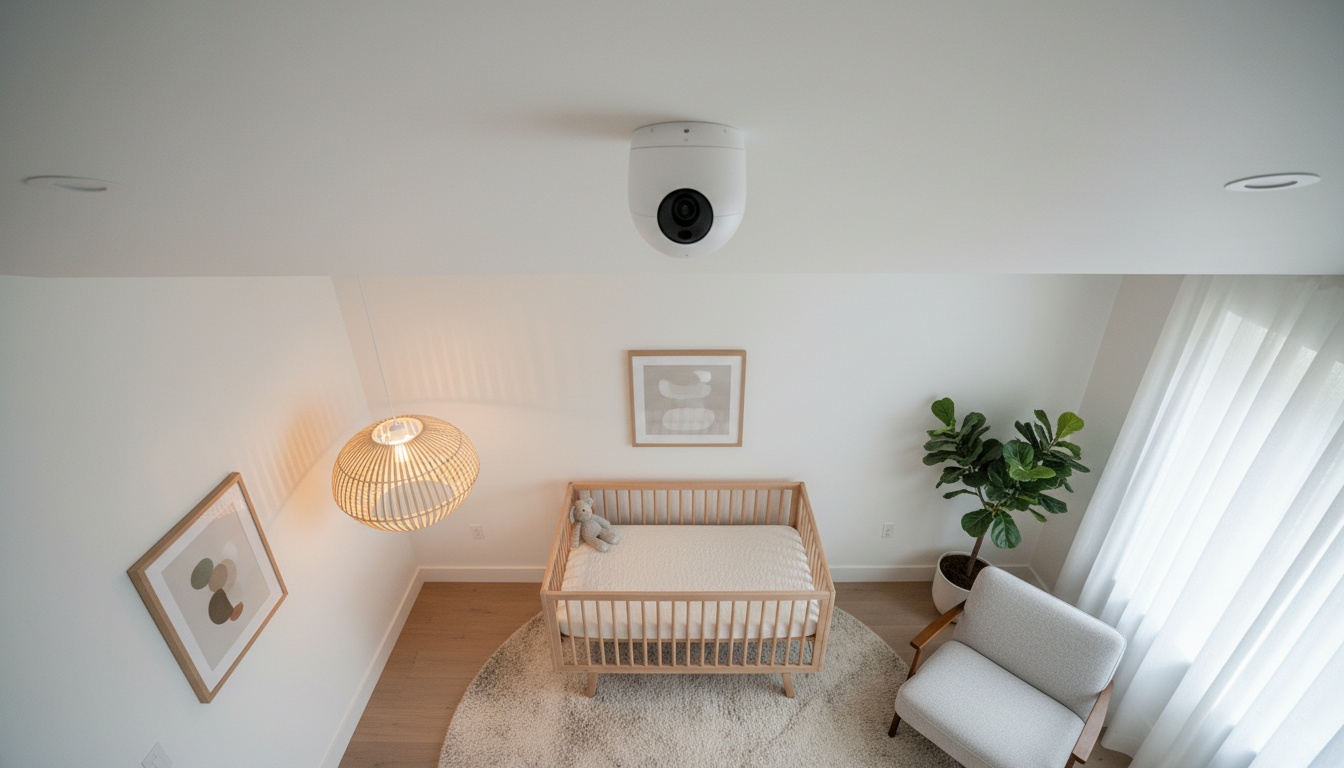
Neither camera is plug-and-play simple. Nanit's overhead mount requires a permanent ceiling or wall installation process. Most parents will need a drill and about twenty minutes.
On the flip side, Cubo's floor stand sets up in minutes — no drill, no wall anchors. If you have never configured a Wi-Fi device before, Cubo's in-app setup wizard is marginally more forgiving.
That said, both cameras share one significant vulnerability. Internet connectivity is required to operate both systems. If your home network goes down, these cameras go dark.
They do not cache any video locally or fall back to cellular data networks during major outages. Rural households with unreliable broadband are most exposed, simply because there is no local fallback option if your internet service provider experiences an unexpected network outage.
7. Privacy & Security: Protecting Your Family's Data
Both cameras stream live video of your sleeping child to cloud servers, which means encryption standards matter significantly more than they do for local-only monitors. Nanit prioritizes your family's privacy with AES-256 encryption for stored data and TLS 1.2+ for data in transit, as documented in their security whitepaper (verify current documentation on Nanit's website, as standards may be updated).
Cubo's privacy page confirms TLS encryption in transit but doesn't specify its at-rest standard — a minor transparency gap worth noting.
Two-factor authentication is available on both platforms. Enable it immediately during setup.
8. Customer Support and Reliability: What Happens When Things Go Wrong
Hardware fails eventually.
Based on community reports on Reddit's r/beyondthebump and Nanit's own support documentation, Nanit responds to customer support emails within twenty-four hours. Cubo offers an in-app chat feature that connects you to a real human representative very fast during business hours.
Standard one-year warranties and thirty-day return policies come with both brands. Parents on forums such as Reddit's r/beyondthebump have reported Nanit lens fogging in high-humidity nurseries.
Some Cubo users on parenting forums have reported occasional app stability issues. One parent told us they switched from Nanit to Cubo after eighteen months because they hated the subscription lock-in. Read our [INTERNAL_LINK: "Cubo AI Pro review"] for more user experiences.
9. Which Monitor is Right for You? A Decision Framework for Parents
Choose Nanit if:
- You want detailed nightly sleep scores and will actually review them
- The $120/year subscription fits your budget
- Sleep analytics matter more to you than environmental alerts
Choose Cubo AI if:
- Face-covering alerts are a top priority for monitoring your baby's environment
- You want to spend ~$200 less over three years
- Sleep data tracking isn't a priority
Skip both if you have a video-capable baby monitor already and just need cry detection. A five-dollar monthly app may be enough.
10. No-Hardware Alternative: Monitor With an iPhone You Already Own
If you want a no-hardware option, BabyRadar is a freemium iPhone-based wellness monitor. It uses two networked iOS devices to deliver live video, audio, and cry-detection alerts over an encrypted relay.
Key features include:
- Free tier: cry notifications + event lookbacks
- Pro ($4.99/month): live video + photo snapshots
- Works across networks and over cellular
- Event photos auto-delete after 90 days
A quieter night, starting with the iPhone in your drawer. BabyRadar turns a spare iPhone into a full baby monitor — cry alerts, event photo snapshots, and live video — with a $0 free tier. Pro unlocks live listen, video, and photos on trigger. No hardware to buy, no $300 starter kit. [Download on the App Store]