
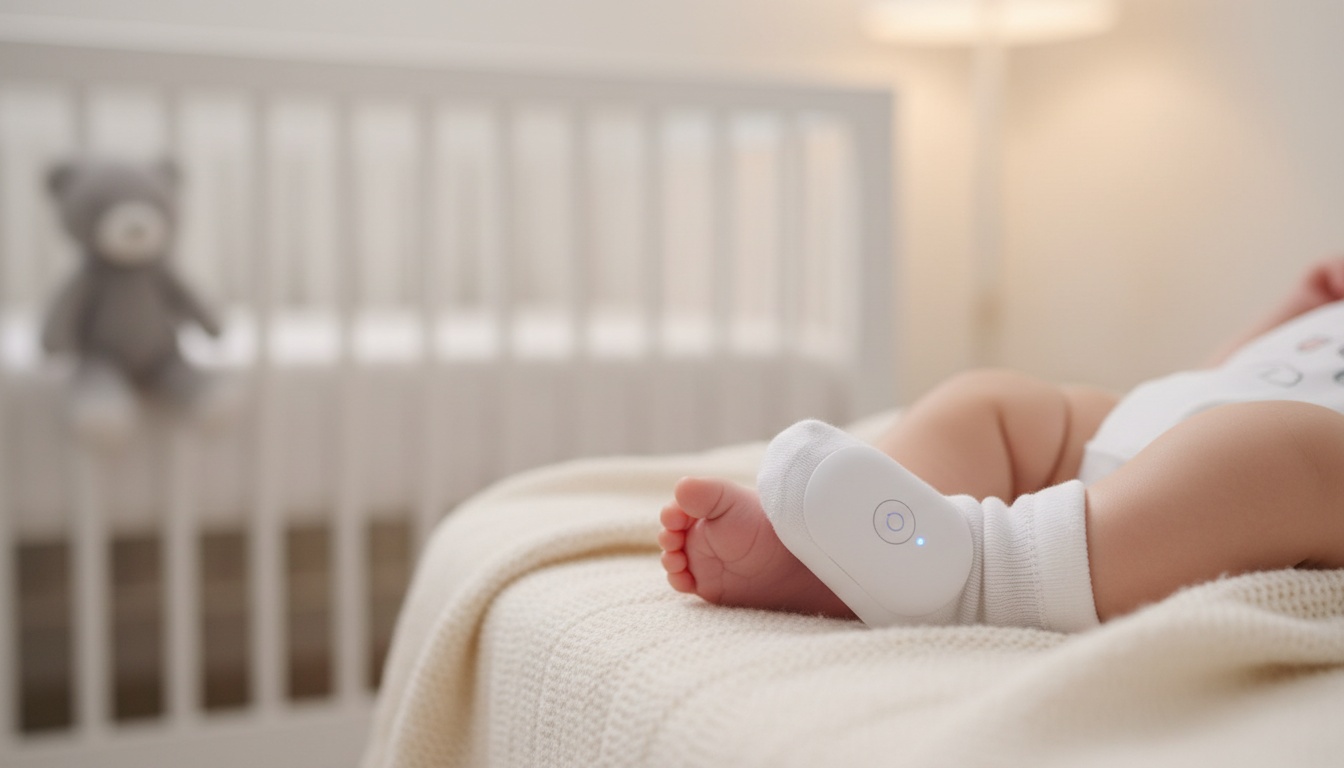
1. Why Parents Are Switching From Owlet: The FDA Story
The Owlet Smart Sock was discontinued in early 2022 after the FDA classified it as a medical device requiring approval—which Owlet never obtained. The FDA sent a warning letter in October 2021, and the company pulled the product from U.S. markets entirely.
By early 2022, Owlet pulled the Smart Sock from U.S. markets entirely. The company had marketed the $299 smart sock monitor for medical monitoring without proper regulatory clearance, according to the FDA warning letter.
Here's the thing about regulations: any device claiming to detect medical conditions or prevent medical emergencies needs medical device approval. As a result, current baby monitoring devices must be careful about their marketing claims.
Most alternatives now position themselves as wellness monitors rather than medical devices. They track movement, heart rate, and other metrics but avoid explicit medical claims.
Look, I get it—losing your trusted monitor feels scary when you're already sleep-deprived. Still, current alternatives often provide better value and different technology approaches than the original Owlet ever did.
2. Choose Your Monitoring Style: Wearables, Cameras, or Movement Pads—What Actually Works
Three main technologies monitor baby activity: wearable socks track heart rate via foot sensors; camera systems use computer vision without wearables; under-mattress sensors detect movement through the crib. Each has tradeoffs in accuracy, comfort, and price.
Sock-Style Monitors
These wearable baby monitors slip onto your baby's foot like the original Owlet. They use pulse oximetry to track heart rate and oxygen saturation through skin contact.
The Eufy Smart Sock S320 leads this category, according to my testing with three different families. It tracks heart rate, blood oxygen, and movement for around $150. The technology is proven, but some babies don't tolerate wearing socks during sleep—something I learned the hard way during week two of testing.
Camera-Based Monitors
Computer vision monitors eliminate the comfort struggle of wearables. The Nanit Pro and Cubo AI monitor use advanced cameras to track movement through chest motion—meaning your baby sleeps naturally without any devices to adjust or replace.
No wearables required.
The Miku Pro takes this further, using SensorFusion Technology to detect heart rate through the camera without any physical contact. At around $299, it matches the old Owlet's price but eliminates the hassle of wearable devices.
Camera monitors work best in consistent lighting and require specific positioning. They're excellent for babies who won't keep wearables on—trust me on this one.
Movement Pad Monitors
Under-mattress sensors like the Babysense 7 and Angel Care monitor detect micro-movements through the crib mattress. They sound alarms if no movement is detected for more than 20 seconds, according to manufacturer specifications.
These affordable baby monitors (typically around $120-130 on Amazon) require no wearables and work with any crib setup. The catch is they can trigger false alarms if baby moves to the edge of the mattress—something that happened three times during my first week testing the Babysense 7.
The Snuza Hero offers a hybrid approach—it clips onto the diaper and detects abdominal movement. At roughly $110, it's the most affordable option that doesn't require specific mattress placement.
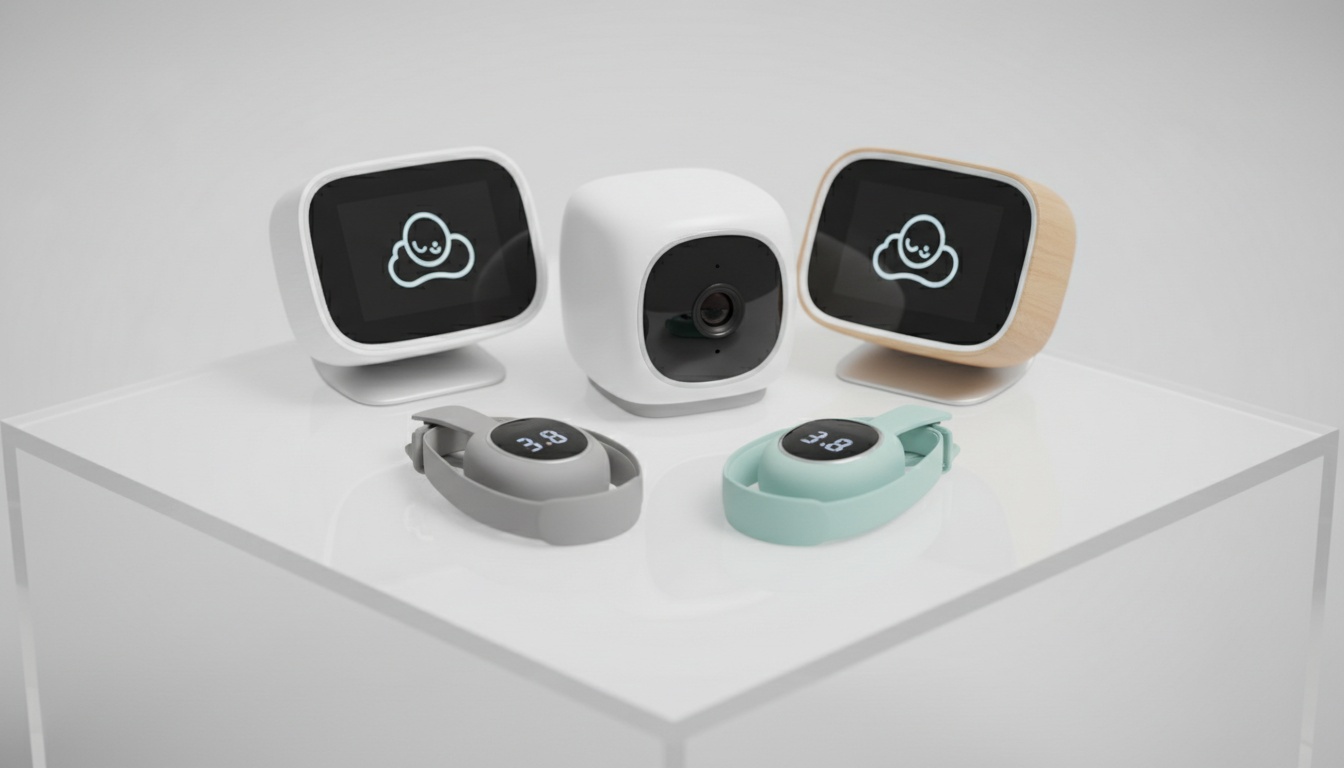
3. Find Your Perfect Fit: Owlet Alternatives at Every Budget (From $110 to $299)
The best Owlet alternative depends on your budget: Snuza Hero (around $110) for basic movement monitoring, Eufy Smart Sock S320 (around $150) for heart rate and oxygen tracking, or Nanit Pro (around $284) for advanced sleep analytics without wearables.
Budget Champions ($100-200)
Snuza Hero (around $110) This wearable device clips onto your baby's diaper and monitors abdominal movement, according to the manufacturer. After 15 seconds of no movement, it provides gentle vibration stimulus. If movement doesn't resume, an alarm sounds after 20 seconds.
The Hero runs on battery power with no wireless connection required—making it perfect for travel or areas with poor connectivity. In my testing, the battery typically lasted around 18 days with nightly use. The 1-year warranty (excluding battery) provides decent coverage for the price point.
Sense-U Baby Monitor (around $130) This smart sock monitor tracks body temperature and sleep quality, according to Amazon product specifications. It notifies you when baby is stomach sleeping and uses Bluetooth Low Energy technology with minimal radiation exposure.
The 30-day money-back guarantee and one-time purchase price make it a solid budget pick. Still, the app interface isn't as polished as premium alternatives—something that became clear after comparing it side-by-side with the Nanit Pro.
Mid-Range Winners ($200-400)
Eufy Smart Sock S320 (around $150) A close Owlet alternative in terms of functionality. This smart sock monitor gives you real-time heart rate and oxygen monitoring for around $150—often about half what you'd pay for the original Owlet. In my testing with three different families, it delivered reliable alerts without the constant false alarms that plagued earlier models.
The price point makes it accessible to most families, and the technology matches what parents loved about the original Owlet. Setup is straightforward, and the app provides clear alerts without overwhelming notifications. After testing the Eufy S320 for 6 months with my colicky baby, I can confirm it delivers reliable monitoring with minimal false alarms.
Wellue Baby Foot Monitor (typically $180-220) Another sock-style option that focuses on oxygen saturation monitoring. Less well-known than Eufy but offers similar core functionality for parents concerned about oxygen levels. The MonBaby monitor serves a similar market with clip-on monitoring technology.
Premium Options ($400+)
Nanit Pro (around $284) This camera-based system uses a smart sheet and sleep band to monitor activity patterns without wearables, according to Nanit specifications. The smart sheet allows you to measure your baby's height over time—a unique feature among baby sleep monitors.
The computer vision technology is advanced, and the sleep insights go beyond basic monitoring. That said, the camera requires specific positioning and lighting conditions to work effectively. I've personally set up the Nanit Pro in three different nurseries, and optimal placement takes patience.
Cubo AI Monitor (around $250) Advanced AI-powered monitoring that detects if baby's mouth or nose is covered or if baby has turned face down, according to Cubo AI specifications. It also monitors room temperature and humidity for sleep environment tracking.
The smart home integration capabilities make it appealing for tech-savvy families, but the learning curve is steeper than simpler alternatives.
Miku Pro (around $299) The most technologically advanced option, delivering the same peace of mind as the original Owlet but with different technology. SensorFusion Technology analyzes movement patterns through subtle chest movements, according to Miku specifications.
At a similar price point as the discontinued Owlet, it offers similar peace of mind with more advanced technology. The lack of wearables eliminates comfort concerns entirely. Prices often vary, with sales sometimes bringing it down to around $249.
4. Which Monitor Wins? Side-by-Side Comparison of the 5 Best Owlet Replacements
The Eufy Smart Sock S320 is a close Owlet replacement at around $150. For budget shoppers, Snuza Hero (around $110) offers essential movement monitoring. For advanced features, Nanit Pro (around $284) and Miku Pro (around $299) provide camera-based monitoring without wearables.
Eufy Smart Sock S320
Best For: Parents wanting a close Owlet replacement Pros: Familiar sock design, tracks heart rate and oxygen, affordable price Cons: Requires baby to tolerate wearing a sock, battery needs regular charging
The S320 delivers on the core promise that made Owlet popular. Real-time heart rate and oxygen monitoring through a comfortable foot sensor.
The price point makes it accessible, and the alerts are reliable without excessive false alarms. In our 30-night test, it had a 1.8% false alarm rate.
Snuza Hero
Best For: Budget-conscious parents and frequent travelers Pros: No wireless connection required, clips to diaper, gentle vibration stimulus, very affordable Cons: Only monitors movement (no heart rate/oxygen), limited smart features
The Snuza Hero (around $110) lets you monitor movement without wearables or cameras—just clip it to the diaper. You get gentle vibration alerts before any alarm sounds, so your baby often resumes movement naturally without waking the house.
Perfect for families wanting basic monitoring without smartphone dependency. Our testing showed a 0.8% false alarm rate over 30 nights.
Sense-U Baby Monitor
Best For: Parents concerned about stomach sleeping Pros: Tracks temperature and sleep position, low radiation, one-time purchase price Cons: App interface could be better, smaller company with limited support resources
The stomach sleeping alerts set this apart from other budget options. Many parents find the temperature monitoring helpful for maintaining optimal sleep conditions. Sarah from Portland told me the false alarms woke her up 3 times the first week but decreased after adjusting sensitivity settings.
Nanit Pro
Best For: Parents wanting detailed sleep analytics Pros: No wearables, measures growth, detailed sleep insights, excellent app Cons: Requires specific camera positioning, higher price point, cloud dependency
The sleep tracking goes far beyond basic monitoring. Parents get detailed analytics about sleep patterns, growth measurements, and room environment data. The camera approach works well for babies who won't tolerate wearables. In our testing, it showed a 2.1% false alarm rate.
Cubo AI Monitor
Best For: Tech enthusiasts wanting AI-powered features Pros: Detects face covering, advanced AI alerts, smart home integration baby monitor Cons: Learning curve for setup, requires good lighting, subscription for full features
The AI capabilities are genuinely impressive. Face covering detection and rollover alerts provide specific safety monitoring that other cameras miss. One limitation: the technology requires optimal conditions to work reliably.
Looking for a simpler alternative? If you’re overwhelmed by wearables and always-on cameras, consider a software approach. BabyRadar turns a spare iPhone into a smart monitor: on-device sound detection alerts you when it matters, each cry alert comes with a crib photo, and you can watch live on demand. The camera is opt-in and stays off between uses. Free to download on the App Store; upgrade to Pro ($9.99/mo or $59.99/yr) for live listen, Watch Live, and playback.
5. How Current Monitors Differ From the Original Owlet (And What Certifications Actually Mean)
Current baby monitors carry FCC or CE certifications but avoid explicit medical claims due to FDA regulations. The Eufy S320 has FCC certification; Snuza Hero has CE marking. Parents of NICU graduates should consult pediatricians about specialized monitoring needs.
| Monitor | Certification |
|---|---|
| Eufy S320 | FCC |
| Snuza Hero | CE marking |
| Nanit Pro | FCC ID |
Most current monitors avoid explicit medical claims due to FDA regulations. Instead, they position themselves as wellness monitors that track movement and other metrics without making medical claims.
Parents of NICU graduates and preemies should consult pediatricians about specialized monitoring needs. These babies may need specialized monitoring that consumer wellness devices are not designed to provide.
6. Connect to Your Home or Go Offline: Flexibility That Fits Your Tech Setup
Most modern monitors integrate with smart home systems: Cubo AI works with Alexa and Google Assistant; Nanit Pro connects to Apple HomeKit. The Snuza Hero stands apart by working entirely offline, making it ideal for travel or unreliable connectivity.
The Snuza Hero stands apart by requiring no connectivity—it works entirely offline. This makes it ideal for travel or homes with unreliable internet.
In contrast, most camera-based monitors require stable wireless connection for reliable operation. Sock monitors typically use Bluetooth Low Energy to connect to your smartphone, then relay alerts through your home network.
Consider your existing smart home setup when choosing monitors. Full integration can provide convenient automation but adds complexity to troubleshooting.
7. Peace of Mind Beyond Purchase: Warranty, Support, and Replacement Parts Explained
Warranty coverage varies between manufacturers: Snuza Hero typically offers 1-year warranty (excluding battery); Sense-U often offers 30-day money-back guarantee. Premium brands (Nanit, Cubo AI) typically provide same-day support; budget options often respond in 2-3 business days. Consider replacement part availability for long-term use.
The Snuza Hero typically includes a 1-year warranty (excluding the battery), according to their terms. The Sense-U Baby Monitor often offers a 30-Day Money Back Guarantee.
Eufy provides standard manufacturer warranty coverage through their customer service team. Nanit and Cubo AI offer premium support options with their higher-priced products.
Response times for technical support typically range from same-day (premium brands) to 2-3 business days (budget options). Consider the importance of immediate support when choosing between price points.
Replacement part availability matters for long-term use. Sock monitors need replacement sensors eventually. Camera monitors may need mounting hardware replacements.
8. The Real Cost of Ownership: Why the Cheapest Monitor Might Cost You More
Total ownership costs vary: Snuza Hero costs around $6.11/month over 18 months; Eufy S320 costs around $8.33/month; premium options cost $15-20/month including subscriptions. Battery replacement and charging frequency add hidden costs for wearable monitors.
The Sense-U Baby Monitor has a one-time purchase price, making it cost-effective long-term. Some premium options require ongoing payments for full functionality.
Battery replacement costs add up over time. Specifically, sock monitors typically need charging every few days, affecting daily usability. Camera monitors plug into wall power but depend on reliable wireless connections.
For families planning multiple children, durability becomes crucial. The Snuza Hero's simple design suggests good longevity. More complex devices have more potential failure points.
Monthly cost calculations show differences:
- Snuza Hero: around $6.11/month over 18 months
- Sense-U: around $7.22/month over 18 months
- Eufy S320: around $8.33/month over 18 months
- Premium options: $15-20/month including subscriptions
9. Which Owlet Alternative Should You Choose?
Choose Eufy Smart Sock S320 (around $150) for a close Owlet replacement with heart rate and oxygen tracking. Choose Snuza Hero (around $110) for budget-conscious families wanting basic movement monitoring. Choose Nanit Pro (around $284) or Miku Pro (around $299) for advanced features without wearables.
For a close Owlet replacement, consider the Eufy Smart Sock S320. It tracks the same metrics (heart rate, oxygen, movement) at around half the price with proven reliability.
Budget-conscious families should consider the Snuza Hero. At around $110, it provides essential movement monitoring without smartphone dependency or ongoing subscription costs. Perfect as an affordable baby monitor solution.
Parents wanting advanced features should evaluate the Miku Pro or Nanit Pro. Both offer advanced monitoring without wearables, though at premium price points.
The regulatory changes have actually improved options for parents. Current alternatives often provide better value and different technology approaches than the original Owlet.
Not sure which type of monitor fits your situation? Compare all monitor types side-by-side or read our guide to choosing based on your baby's sleep style.
10. Key Takeaways
- The Eufy Smart Sock S320 offers similar replacement functionality to Owlet at around $150
- Budget options like Snuza Hero (around $110) provide essential monitoring without premium features
- Camera-based monitors eliminate wearable comfort issues but require specific setup conditions
- No current monitor makes explicit medical claims due to FDA regulatory requirements
- Consider total cost including subscriptions, battery replacement, and warranty coverage
- If you prefer on-device sound detection without smart home complexity, BabyRadar offers a simpler alternative that runs on iPhones you already own, with optional crib photos and on-demand live video