
1. Do You Actually Need a Baby Monitor? The Honest Answer
Most parents don't need a monitor in the strictest sense. Babies have survived and thrived for thousands of years without electronic surveillance.
But modern life isn't ancient life. We live in larger homes, work from home offices, and often sleep more deeply than our ancestors who shared small spaces with their infants.
The question isn't whether you need one — it's whether a monitor fits your specific family situation. Families who benefit most from monitors often share certain characteristics.
Is It Okay to Not Have a Baby Monitor?
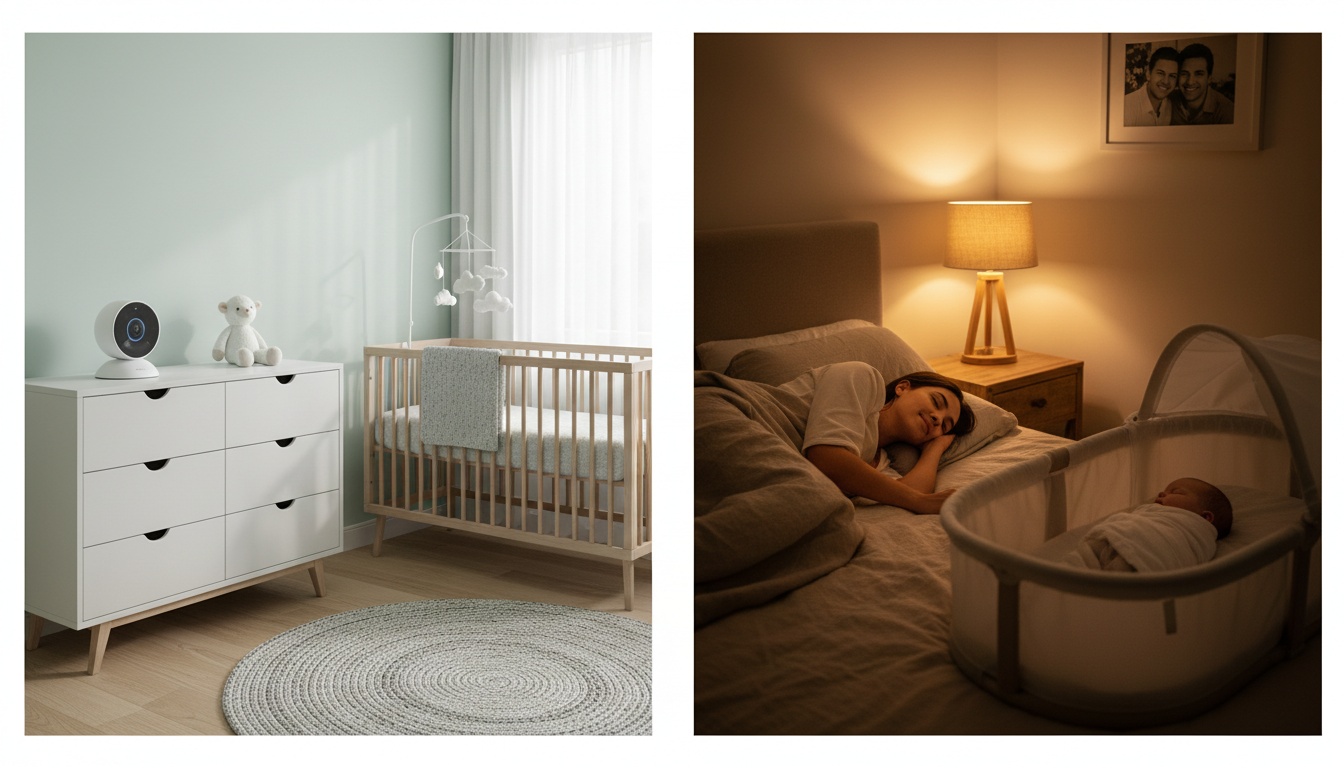
Absolutely. Many parents successfully raise babies without monitors, especially those living in small spaces or practicing safe room-sharing. In smaller homes, you'll typically hear your baby cry from most areas.
Cultural context matters here too. Room-sharing is still the norm in many countries, making monitors less relevant for families following those traditions.
2. Key Factors That Determine If a Monitor Is Right for Your Family
Your living situation drives this decision more than any marketing message or parenting trend.
The Three Core Questions
Start with the basics: home size, sleep arrangements, and your natural hearing ability. These three factors determine whether a monitor adds genuine value or just creates another device to worry about.
Here's a practical framework based on common patterns observed in family situations.
Your Living Situation: Size and Layout Matter
Large homes create natural separation between rooms that makes hearing baby cry difficult. If your nursery is significantly distant from your bedroom, or you have multiple floors between you and baby, a monitor becomes genuinely useful for maintaining communication between rooms.
Two-story homes present the biggest challenge. Sound doesn't travel well between floors, especially in newer construction with better insulation.
Apartment dwellers face the opposite problem. In smaller spaces, you'll often hear everything — sometimes too much. We've had parents tell us they could hear their baby's breathing from the kitchen.
Your Sleep Patterns and Hearing
Deep sleepers may benefit more from monitors than light sleepers. If you sleep through thunderstorms or need multiple alarms to wake up, you may sleep through distant crying too.
Age can affect hearing sensitivity. Some parents notice they don't wake as easily to baby sounds as they expected.
But here's the contrarian insight: some light sleepers benefit from audio monitors because they can adjust volume levels. Natural hearing picks up every house sound, while monitors filter out everything except the nursery.
3. When a Baby Monitor Is Essential vs. Optional
Essential scenarios are rare but real. Separate rooms, extremely large homes, or situations where you're caring for multiple children across different rooms.
Optional scenarios cover most families. Small homes, room-sharing arrangements, or parents who naturally wake to baby sounds don't require electronic monitoring.
But there's one age-related factor most parents completely overlook.
Medical and Safety Considerations
Beyond sleep patterns, there's another critical factor: medical recommendations. Some families use monitors on the advice of their pediatrician for specific situations, though monitors are wellness tools rather than medical devices. Audio monitors serve as wellness tools for peace of mind, helping parents stay connected to their nursery.
Home monitors are primarily communication tools between rooms rather than clinical safety devices.
Age-Based Monitor Value and Nursery Essentials
Newborns sleep 16-18 hours daily in unpredictable patterns according to AAP sleep guidelines. Monitors can help you distinguish between normal sleep sounds and actual wake-ups requiring attention.
By 6 months, most babies develop more predictable sleep patterns. Monitor dependency often decreases naturally around this age as parents gain confidence. Here's how sleep schedules change by age throughout the first year.
Toddlers present different monitoring challenges. They move around cribs, talk to themselves, and create false alarms that exhaust parents more than help them.
4. Types of Monitors and Choosing Based on Your Actual Needs
Audio monitors handle most monitoring needs. You'll hear crying, fussing, or unusual sounds — the core information most parents actually use.
Video monitors add visual confirmation but create new problems. Parents often become obsessed with watching sleeping babies instead of sleeping themselves.
The internet-connected vs. dedicated frequency decision involves real trade-offs that most marketing materials gloss over.
Internet-Connected vs. Dedicated Frequency: Security and Convenience Trade-offs
Internet-connected baby monitors offer smartphone connectivity and remote viewing, but they introduce privacy concerns and internet dependency. Your monitoring system becomes vulnerable to the same security issues affecting any connected device.
Dedicated frequency monitors like the Infant Optics DXR-8 use dedicated frequencies and require no apps to manage. They work regardless of internet outages but limit monitoring to the dedicated parent unit. The Infant Optics DXR-8 is a popular choice for dedicated frequency monitors, offering reliable range and minimal setup requirements.
Some monitors market themselves as privacy-focused options, though specific features and implementations vary by manufacturer. If data privacy is your main concern with monitors, research how different models handle data processing and storage.
Budget-Friendly Monitor Alternatives
Repurposing an old iPhone or Android device as a monitor typically requires apps that may have varying costs or subscription fees. Basic baby monitor apps work adequately for temporary situations or budget-conscious families. Budget-friendly options typically vary in price depending on features and market conditions.
Walkie-talkies provide two-way communication for older children who can operate them. They typically cost varies by model and avoid all the digital complexity of modern monitors.
Some parents use smart speakers with drop-in features, though these raise privacy concerns since conversations get processed by cloud services.
Cost-Benefit Analysis: When to Invest
Basic audio monitors vary in price and handle most essential monitoring needs. Video monitors often range in price depending on features like smartphone connectivity and cloud storage.
Premium monitors with advanced features often cost more than basic options, but basic audio monitoring typically handles most practical needs. The cost-benefit analysis rarely favors expensive options for typical families.
Consider your actual usage patterns. If you're only monitoring during naps or evening hours, a basic audio monitor provides 90% of the benefit at a fraction of the cost.
5. Using Monitors Wisely: Avoiding Anxiety and Overdependence
Monitor overuse creates more anxiety than it relieves. Constantly checking video feeds or obsessing over every sound defeats the purpose of peaceful sleep.
Healthy usage patterns involve setting boundaries around when and how you engage with monitoring technology. The goal is confidence, not constant surveillance.
Sleep training becomes complicated when parents rely too heavily on monitors for reassurance instead of trusting their baby's developing independence.
The Anxiety Factor: When Monitoring Becomes Overwhelming
Parental anxiety often drives excessive monitoring rather than practical needs. If you find yourself checking the monitor every few minutes, the technology is working against you.
Video monitors particularly trigger anxiety in some parents. Watching your baby's every movement can amplify normal parenting worries into constant stress.
Set specific times for checking monitors rather than keeping them constantly visible. Most babies don't need minute-by-minute observation for infant safety.
How Monitors Can Sabotage Sleep Training (And How to Avoid It)
Sleep training requires some level of controlled separation between parent and child. Over-monitoring can undermine this process by making parents intervene too quickly.
Audio-only monitoring during sleep training helps parents distinguish between normal settling sounds and genuine distress. Video feeds often trigger unnecessary interventions.
The goal is gradually building confidence in your baby's ability to self-soothe, not maintaining constant vigilance.
6. Cultural Differences and Modern Monitor Usage
Many parents question whether monitors align with their cultural values around infant care.
Room-sharing cultures view monitors as unnecessary separation tools. Many families from Asian, African, and Latin American backgrounds prefer keeping babies close rather than monitoring from distance.
Co-sleeping families find monitors redundant since they're already sharing sleep space. The monitor becomes another device to manage rather than a helpful tool.
Still, working parents often need monitors regardless of cultural preferences. When you're doing chores away from the nursery or working from home, monitors provide necessary communication between rooms.
7. When to Ditch the Monitor: Signs Your Child Has Outgrown It
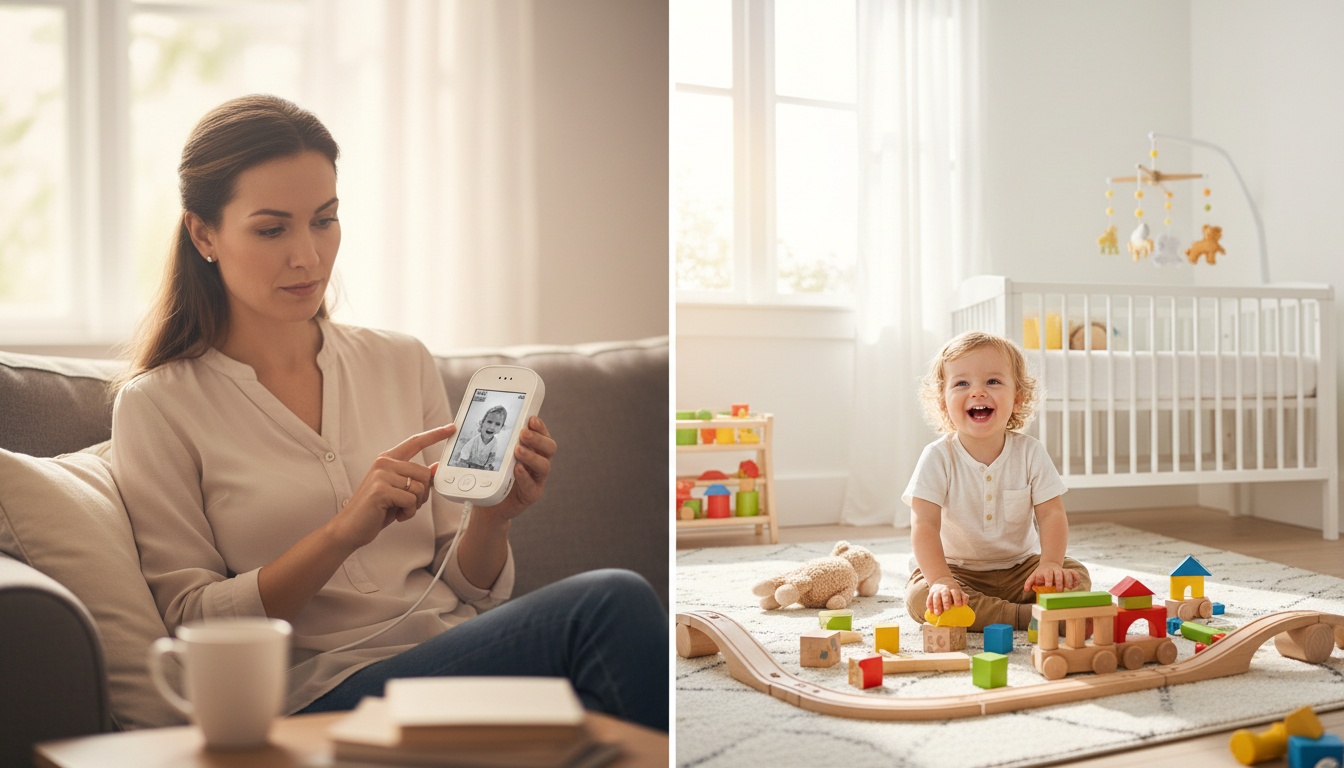
Most families naturally phase out monitors between 12-24 months as children develop more predictable routines and parents gain confidence.
Toddlers who can climb out of cribs or open doors don't need the same monitoring as immobile infants. At this stage, basic room safety becomes more relevant than audio surveillance.
Some families keep monitors longer for convenience — checking if a child is truly asleep before starting loud activities, or communicating with verbal toddlers from other rooms.
Safety considerations change as children grow. Monitors with cords or small parts become hazards for curious toddlers who can reach them.
The transition away from monitors should feel natural, not forced. If you're still finding genuine value at 18 months, there's no arbitrary deadline for stopping.
8. Key Takeaways
• Baby monitor necessity depends on your specific living situation — home size, sleep arrangements, and hearing ability matter more than parenting philosophy • Essential scenarios include separate rooms, large homes, deep sleepers, or situations where your pediatrician recommends monitoring • Optional scenarios cover small spaces, room-sharing, and naturally light sleepers who wake easily to baby sounds • Internet-connected monitors offer convenience but introduce privacy concerns and internet dependency that dedicated frequency options avoid • Monitor overuse can increase parental anxiety rather than providing peace of mind — set boundaries around usage patterns • Most families naturally phase out monitors between 12-24 months as routines stabilize and confidence grows • Audio monitoring handles most practical needs without the anxiety-inducing aspects of constant video surveillance • Budget-friendly monitor alternatives vary in price and provide adequate functionality for most families
If you've determined a monitor makes sense for your family, research privacy-focused options that minimize cloud storage concerns.