
1. What Free Baby Stuff Can You Get (And How to Qualify)
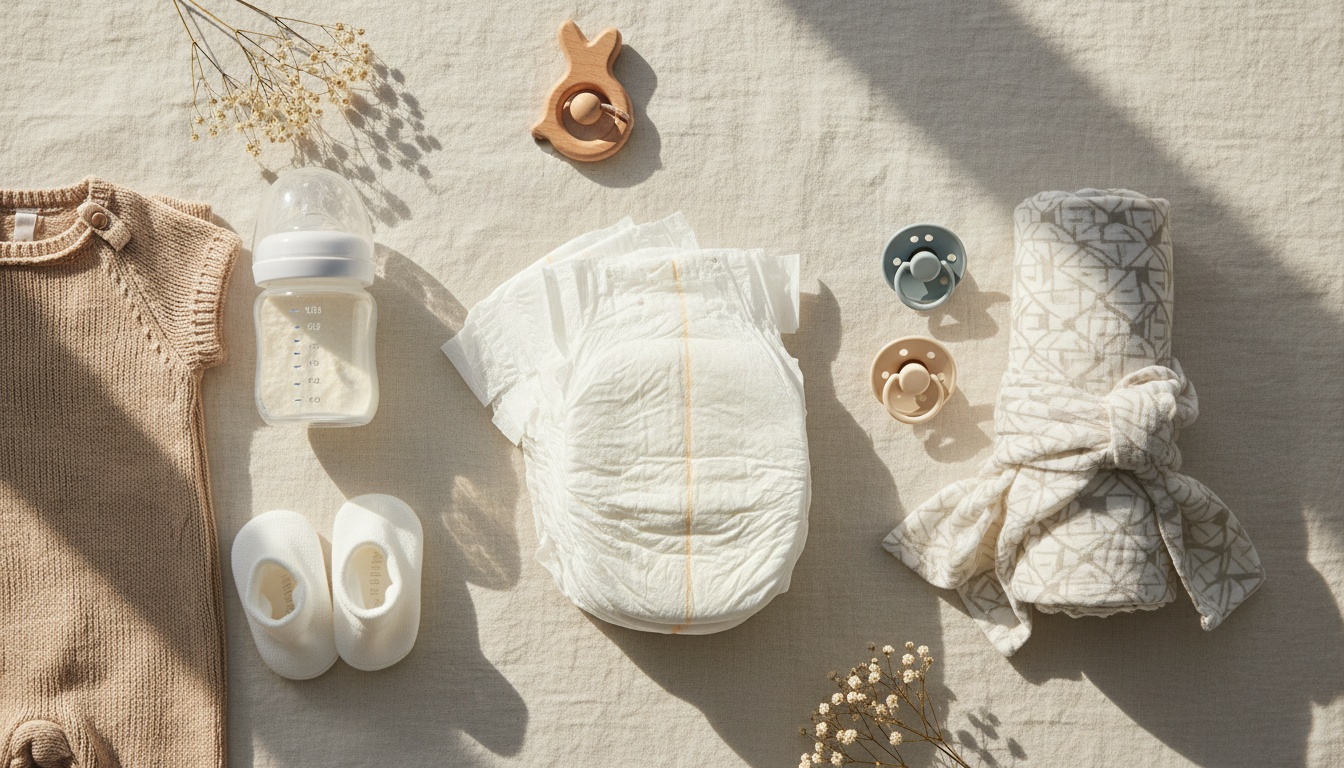
Most families can get diapers, formula, clothing, and most gear at little to no cost by combining WIC, local diaper banks, and registry programs. You don't need to be at the poverty line. WIC covers households up to 185% of the federal poverty level as of 2026.
Specialized items like a hospital-grade breast pump or a specific car seat model may require out-of-pocket spending. But everyday essentials? Covered. Registry completion discounts and manufacturer samples are open to anyone.
2. Government Programs That Provide Free Baby Assistance
The WIC program offers substantial value. It covers infant formula, baby food, whole grains, and fresh produce for eligible families. Many immigrant families and non-citizens legally qualify for WIC without affecting their immigration status. Check your specific eligibility on the USDA website.
How WIC, TANF, and SNAP Work Together
Temporary Assistance for Needy Families (TANF) provides cash benefits that parents often use for free baby supplies. Applying for SNAP simultaneously frees up your monthly grocery budget. Families who combine WIC formula benefits with a local diaper bank can meaningfully reduce monthly consumable costs — though the actual savings vary widely depending on your location, the resources available, and your baby's needs. Add SNAP for groceries and that gap closes further.
That said, federal programs aren't the only option. State diaper banks funded through TANF block grants offer additional free maternity benefits locally. Visit benefits.gov to locate them.
In practice, the 211 call is the fastest single action most families overlook. It takes under five minutes and often surfaces local resources that don't appear in any online search.
How to Apply for WIC Step by Step
Find your state WIC office at fns.usda.gov/wic/contact-information to start. Documentation requirements vary by state and local office, but you will typically need to bring items such as:
- Proof of income (such as recent pay stubs)
- Photo ID
- Proof of address
- Your baby's due date or birth certificate
Contact your local WIC office ahead of time to confirm exactly what to bring, as requirements differ. Your intake appointment generally involves household income verification, and some offices may include a basic health screening, though the specifics vary by state and location. Staff calculate your benefits and issue an EBT card. This card works just like a debit card at checkout. Understanding how WIC benefits work for families takes the stress out of your first major grocery store run.
3. Non-Profits & Charities: Free Baby Items Near You
Baby2Baby (baby2baby.org) distributes free diapers, clothing, and essential baby gear to families in need through a network of partner organizations. To connect with resources, visit their website to find a partner organization near you. Processing times and availability vary by location and partner.
Local Salvation Army and Catholic Charities chapters may offer community baby programs in some cities — availability and specific services vary widely by location, so call your nearest chapter to ask what's currently available. The National Diaper Bank Network connects families to member diaper banks nationwide.
What if you need specific resources for a premature infant? The March of Dimes focuses on research and advocacy for maternal and infant health, and their website can point NICU families toward relevant support resources. Organizations supporting parents of multiples, such as local twins and triplets clubs, can also connect you with community resources — search online for groups in your area and verify their current status and offerings directly.
Call 211 before you leave the hospital.
4. Online Communities: Score Free Baby Gear from Your Neighborhood
Beyond organized charities, your neighbors are often the fastest source of free gear. Hyperlocal Facebook groups consistently turn up free strollers, bouncers, and full clothing lots, often within 48 hours of posting. Buy Nothing groups operate within strict neighborhood boundaries to encourage sharing.
Timing matters when hunting for baby freebies online. Buy Nothing groups and local Facebook Marketplace pages see the highest volume of baby gear posts in January after holiday purges, and during the August back-to-school season.
Choosing secondhand baby gear reduces landfill waste. Always review this secondhand baby gear safety guide before accepting a used crib.
The catch with secondhand gear is that it doesn't cover everything. A dedicated baby monitor app on a spare smartphone can be a cost-effective alternative to purchasing a standalone device. Some apps in this category offer free tiers with basic functionality, while paid tiers with additional features like live video and cloud storage are also available — check your app store for current options, pricing, and recent reviews before downloading, as offerings change frequently.
How to Write a Buy Nothing Request That Gets Results
Name the exact item, preferred brand, and size. Include your due date. Post requests for your top big-ticket items, like a car seat or crib, well before your third trimester — keep in mind that availability varies widely by location, and always verify safety guidelines before accepting used items like car seats. Respond quickly and always send a thank-you after pickup.
5. Manufacturer Samples, Brand Programs, and Registry Freebies
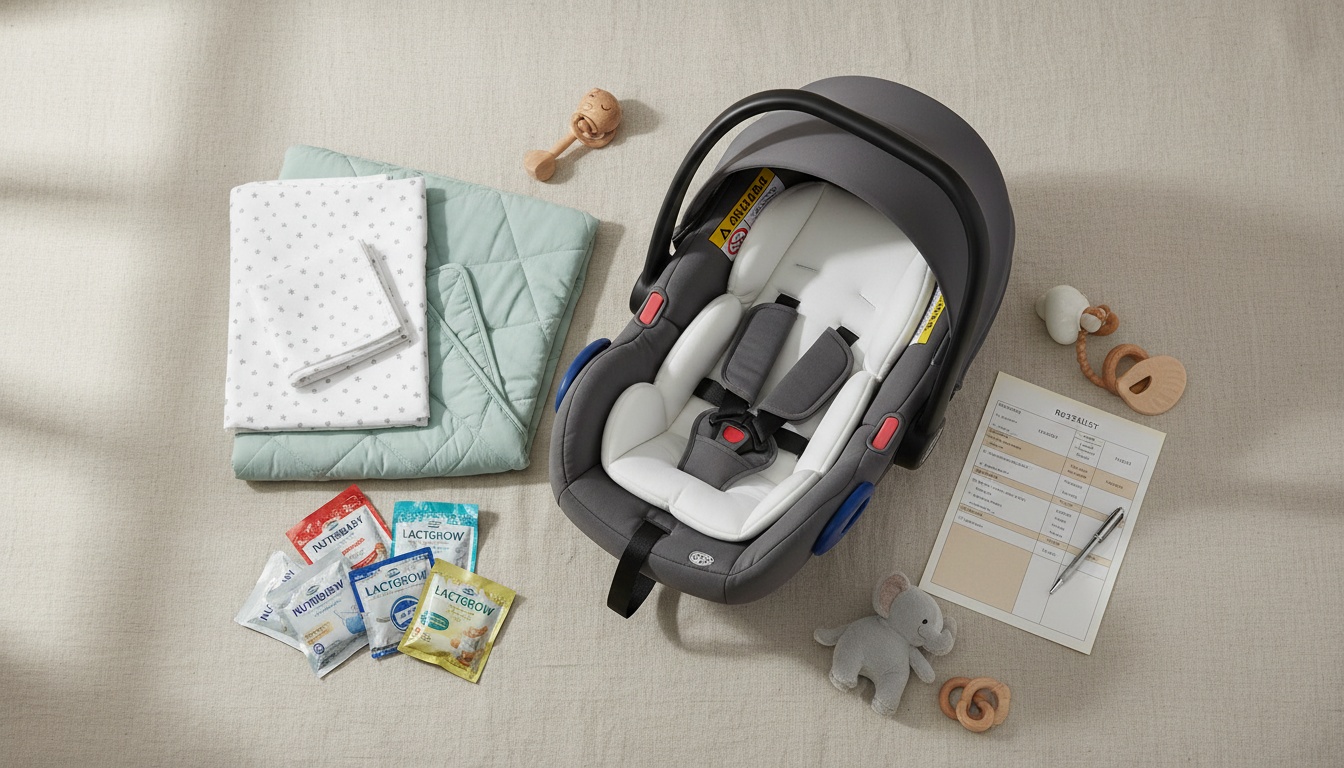
Some formula brands offer family programs that may include free samples and discount coupons for registered members — check manufacturer websites directly for current availability, as offerings change frequently. Many hospitals provide discharge bags packed with brand coupons, though this practice varies by facility.
How to Stack Registry Completion Discounts
Baby registry completion programs offer excellent financial perks for expecting parents. Amazon offers a completion discount for Prime and non-Prime members, and Prime members who complete certain steps may also receive a welcome box — exact percentages, terms, and availability are subject to change, so check Amazon's registry page for current details. Target also offers a completion discount and a welcome kit, though terms, percentages, and availability vary and are subject to change; visit Target's registry page for the most current offer.
Register broadly across multiple stores to maximize your options. Wait until the completion discount window opens to purchase your remaining registry items. Follow this best baby registry checklist so you don't end up adding a bunch of unnecessary clutter to your home.
Don't forget negotiation tactics. Ask retailers for open-box discounts or price-matching on expensive strollers. Check your employer maternity benefits carefully. Dependent care accounts and employer-provided lactation support can be helpful financial resources, depending on your specific employer and circumstances.
6. Your Free Baby Stuff Timeline: What to Do Each Trimester
The families who manage to cover the vast majority of their costs aren't just using one single program. They are running all of these simultaneously. Follow this trimester-by-trimester breakdown:
- First Trimester: Sign up for manufacturer sample programs and join a local Buy Nothing group.
- Second Trimester: Apply for WIC and open registries at Amazon and Target.
- Third Trimester: Post wanted requests for large items and use completion discounts.
- After Birth: Grab your hospital discharge bag, contact a diaper bank, and check thrift stores weekly.
Want more ways to stretch your baby budget? Explore our guide to budget-friendly baby gear.