
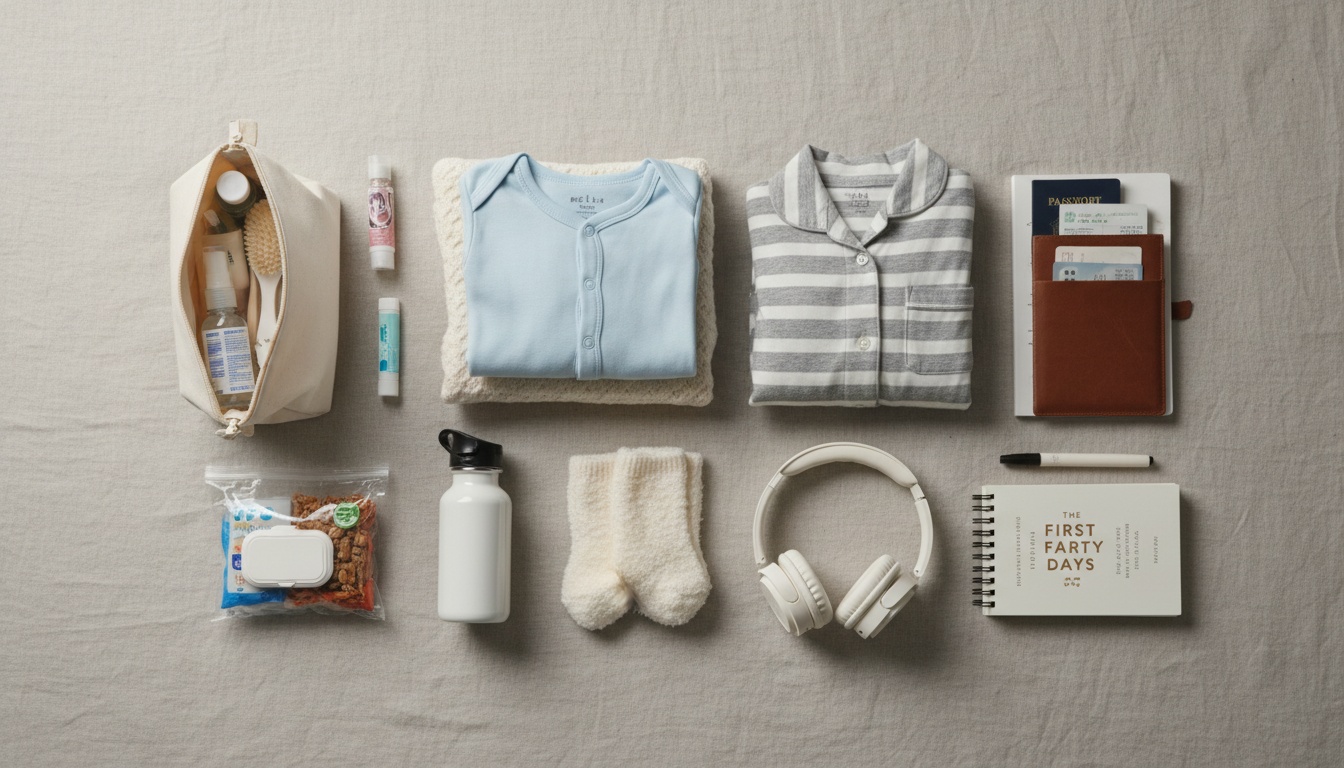
1. Packing Timeline: When to Start and How to Organize
Start packing around 32 weeks to avoid last-minute panic.
Most hospitals have established visitor policies that make advance preparation important.
Here's how to organize your packing using three waves:
• First wave (32-34 weeks): Documents, basic clothing, and toiletries • Second wave (36 weeks): Comfort items and nice-to-haves • Final wave (38+ weeks): Last-minute items you use daily
Create a "grab list" taped to your bag. Include phone charger, glasses, and daily medications. When contractions start, you won't remember where you put anything.
Labor takes time. Plan accordingly.
2. What Do I Actually Need in My Hospital Bag for Birth?
Pack your driver's license, insurance cards (front and back), three copies of your birth plan, hospital pre-registration paperwork, and emergency contact numbers written on paper. Keep these in a zippered folder so your partner can find them quickly if needed.
Documents trump everything else. Without proper ID and insurance cards, you'll spend precious energy on paperwork instead of focusing on delivery.
Essential documents to pack:
• Driver's license • Insurance cards (front and back copies) • Birth plan copies (3) • Hospital pre-registration paperwork • Emergency contact numbers (written on paper)
Hospital parking and vending machine costs vary significantly by location and hospital system. Hospital parking systems often accept various payment methods, though some may still prefer cash during overnight stays.
Print your birth plan in triplicate. One copy for your medical team, one for your partner, and one backup. Digital copies get forgotten when labor intensifies.
Proper documentation preparation helps ensure smooth admission and processing.
3. Mom's Essentials: Comfort Items for Labor and Recovery
Your labor and delivery bag should focus on what hospitals don't provide: truly comfortable clothing and personal care products that make recovery bearable.
Labor and Delivery Clothing
Pack two comfortable nightgowns that open in front for easy nursing access. Hospital gowns work for delivery, but you'll want your own clothes afterward. Skip the matching pajama sets—choose dark colors that hide stains.
Bring a bathing suit for labor if you plan to use the shower or birthing tub. A dark-colored sports bra and boy shorts work perfectly. The warm water often provides significant pain relief during early labor—research from ACOG supports hydrotherapy for pain relief, which is why many hospitals offer shower or tub access during active labor.
Pack comfortable slippers with non-slip soles. Hospital floors are slippery, and you'll be walking to encourage labor progression.
Postpartum Recovery Items and Budget-Friendly Alternatives
Postpartum recovery deserves as much attention as labor preparation. Here's where smart packing makes the biggest difference.
Key postpartum items:
• Disposable underwear (8-10 pairs) — eliminates the stress of ruining your favorite underwear during recovery • Nursing bras (2-3 in different sizes) — your current size and one cup size larger • Nursing pads (disposable and washable) — prevent embarrassing leaks once your milk arrives • Comfortable robe (front-opening) — makes breastfeeding easier and helps you feel more human
Disposable underwear eliminates the stress of ruining your favorite underwear during recovery—you can throw them away guilt-free, which many postpartum parents say is worth far more than the cost. Save money with generic mesh underwear from any drugstore if you skip premium brands.
C-Section vs Vaginal Delivery Packing Differences
C-section deliveries require specific considerations for your maternity hospital bag. Pack high-waisted underwear that won't hit your incision line—this small detail prevents constant discomfort and allows you to focus on bonding with your baby rather than managing pain during those critical first days.
Bring a small pillow for the car ride home. It prevents the seatbelt from pressing on your incision, which can cause sharp pain during the 20-minute drive when you're already exhausted and emotionally vulnerable.
Vaginal deliveries benefit from cooling pads and witch hazel wipes. Many hospitals provide these, but having your own ensures you get the brands that work best for you.
Both delivery methods require loose, comfortable going-home clothes. Your pre-pregnancy jeans won't fit yet.
4. What Hospitals Provide vs. What to Bring for Baby
Many hospitals provide basic diapers, wipes, and receiving blankets during your stay. Call your specific hospital to confirm their policies—some charge for certain items.
Your maternity hospital bag for baby needs just a few key items. Pack a going-home outfit in newborn and 0-3 month sizes. Babies often measure smaller or larger than expected, and you don't want a too-tight outfit for the car ride home.
Bring one special receiving blanket for photos and bonding. Hospital blankets work fine, but many parents want something more personal for those first precious moments.
The car seat is non-negotiable—hospitals won't release your baby without proof of proper installation, and this requirement exists because it's the single most effective way to protect your newborn during the car ride home. Have it professionally checked before your due date—many fire stations and baby stores offer free inspections.
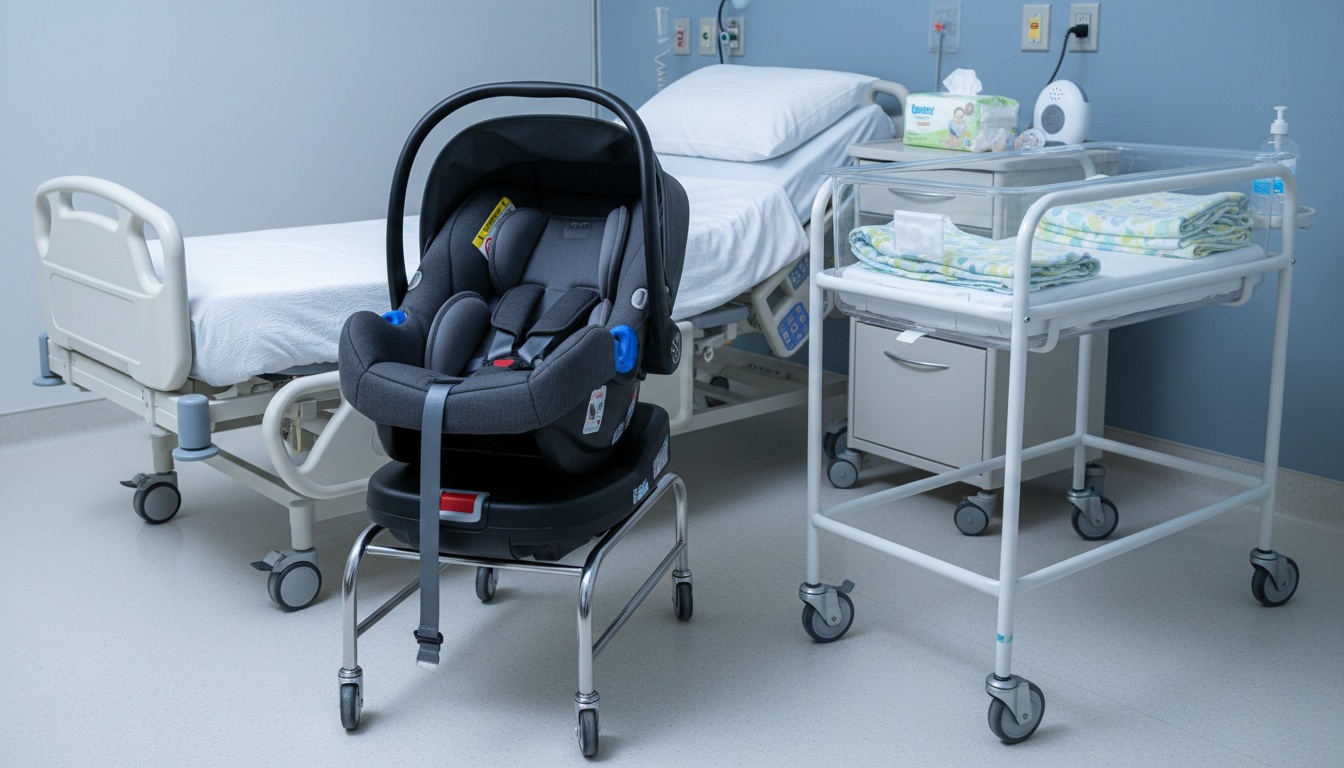
Don't pack: baby bottles (hospitals provide them if needed), formula (unless you have specific dietary requirements), or multiple outfit changes. Babies go through hospital clothes quickly, and staff expect mess.
What Hospitals Charge For vs. Provide: Cost Breakdown
Understanding hospital policies helps you pack smarter and avoid surprise charges. Many hospitals provide basic diapers, wipes, and receiving blankets during your stay. Premium items like organic diapers or specialty formula typically cost extra.
Lactation consultants and breast pumps are often included in your stay, though some hospitals may charge rental fees for hospital-grade pumps you take home.
5. Support Person Essentials: What Your Partner Should Pack
Support person hospital bag planning gets overlooked, but your partner needs comfort items too. Labor can last 20+ hours, and they'll be your primary advocate and support.
Partner essentials:
• Snacks that won't spoil: granola bars, crackers, nuts, dried fruit • Entertainment for long waits: books, tablets with downloaded movies, handheld games • Comfortable clothing: sleep clothes for hospital chairs, fresh clothes for photos • Tech essentials: phone chargers, portable battery packs
Hospital cafeterias have limited hours, and vending machine food gets expensive quickly.
Early labor often involves hours of waiting between active phases. Your partner needs a change of clothes and basic toiletries. Pack comfortable clothes for sleeping in hospital chairs, plus fresh clothes for baby photos and the ride home.
One challenge partners rarely anticipate: the need to rest while catching brief moments of sleep. Some parents find that audio monitoring can be a helpful wellness tool during labor support, since it doesn't require constant screen attention the way video monitors do. Your partner can rest their eyes while staying aware of baby sounds in the hospital room.
Phone charging cables and portable battery packs are vital. You'll be texting updates, taking photos, and possibly timing contractions on apps.
6. Hospital-Specific Considerations and What NOT to Bring
Hospital policies vary significantly on what you can bring. Some allow essential oils in labor, others prohibit any scented products. Research your specific facility's rules before packing.
Never pack:
• Candles, incense, or plug-in diffusers (fire hazards) • Valuable jewelry beyond wedding rings • Large amounts of cash
Most hospitals have strict policies about open flames and valuable items.
Common overpacking mistakes include multiple outfit changes for mom, excessive baby clothes, and "just in case" items that create clutter. Hospital rooms are small—every item should serve a specific purpose.
Seasonal and Climate Considerations
Summer births need lighter clothing and extra dehydration prevention items. Pack breathable fabrics and extra water bottles. Hospital air conditioning can be inconsistent.
Winter births require warm going-home clothes for both mom and baby. Pack layers you can add or remove as needed. Don't forget warm socks—hospital floors get cold.
Consider your hospital's location and parking situation. Urban hospitals may require longer walks from parking garages, while suburban facilities often have closer parking.
7. How Should You Organize Your Hospital Bag?
Pack in three separate bags: one for labor/delivery, one for postpartum recovery, and one for baby items. Use a medium duffel bag with packing cubes to organize categories. Label everything clearly so your partner can find items without asking.
This prevents digging through everything when you need something specific.
Use a medium duffel bag or rolling suitcase as your main hospital bag organization system. Avoid hard-shell luggage—soft bags fit better in small hospital rooms and under beds.
Use packing cubes or large ziplock bags to organize categories. Label everything clearly—your partner should be able to find items without asking.
Your complete packing list organized by priority:
Essential Documents:
- Driver's license and insurance cards
- Birth plan copies (3)
- Hospital paperwork
- Emergency contacts list
Mom's Labor Essentials:
- Comfortable nightgown (2)
- Bathing suit or comfortable underwear
- Non-slip slippers
- Hair ties and headband
Mom's Recovery Items:
- Disposable underwear (8-10)
- Nursing bras (2-3)
- Nursing pads
- Comfortable going-home outfit
Baby Essentials:
- Going-home outfit (newborn and 0-3 months)
- Car seat (professionally installed)
- Special blanket for photos
Partner/Support Person:
- Snacks and water bottle
- Change of clothes
- Phone charger and portable battery
- Entertainment (book, tablet)
Personal Care:
- Toothbrush and toothpaste
- Shampoo and body wash
- Deodorant
- Lip balm
- Basic makeup (if desired)
"With my first baby, I packed three suitcases. Second time at Rose Medical Center, I brought one small duffel and felt so much more organized. The disposable underwear was a game-changer I wish someone had emphasized more." — Sarah M., new mom who delivered at Denver Health Medical Center
8. Key Takeaways
- Start your hospital bag checklist at 32 weeks, prioritizing documents and essentials first
- Focus on postpartum recovery items—they're often overlooked but vital for comfort
- Research your specific hospital's policies and provided items before packing
- Pack in organized categories using separate bags or packing cubes
- Bring comfortable, practical clothing rather than cute outfits that aren't functional
- Don't overpack—hospital rooms are small and typical stays range from 2-4 days depending on delivery type and any complications
The biggest mistake I see new parents make? Packing for the birth they imagine instead of the recovery they'll actually experience. Your future self will thank you for prioritizing comfort over aesthetics.