
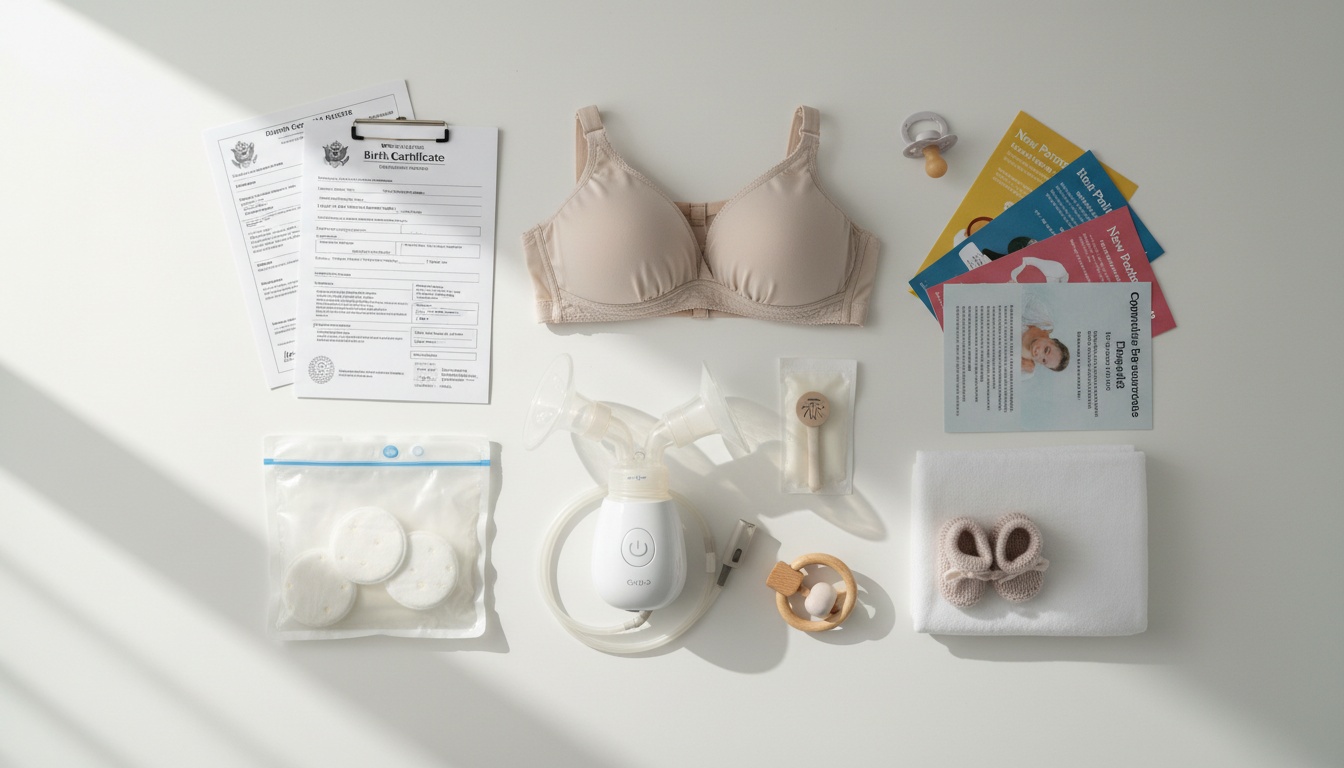
1. Here's How I Break Down the Free Baby Stuff Scene
Free baby resources come in four main types, each with different eligibility requirements and application processes.
Insurance-based programs offer the highest-value items. According to the Affordable Care Act, most insurance plans must cover breast pumps and nursing supplies as preventative care, typically worth $200-400. Some plans also cover compression garments, support bands, and postpartum recovery items, though coverage varies significantly by plan and medical necessity.
Government assistance programs serve families meeting specific income guidelines. WIC provides formula, baby food, and nutrition education. Medicaid covers extensive prenatal care and often includes additional benefits beyond standard insurance.
Universal programs accept applications from anyone, regardless of income. Major retailers like Target, Amazon, and Walmart offer free baby sample boxes to registry creators. Formula companies provide free samples and coupons through their baby clubs.
Let's Get Real About What You'll Actually Get
"Free" often means you'll pay shipping costs (usually $5-15) or meet minimum requirements like creating a registry with 15+ items. Some programs require you to attend a class or complete a survey.
Families can typically collect substantial savings, depending on their insurance coverage and local resources.
Expected Value: $300-800 in Total Savings
That's meaningful savings when the average cost of childbirth in the United States was $18,865 for a vaginal birth and $27,865 for a C-section in 2020 according to HHS data.
2. Insurance-Covered Baby Items and Government Assistance
Your insurance plan likely covers more baby-related items than you realize. Start by calling the member services number on your insurance card and asking specifically about maternity benefits, breast pump coverage, and postpartum supplies.
Insurance Coverage Breakdown
Most insurance plans cover essential prenatal care at no cost. This includes:
- Routine checkups
- Preeclampsia prevention and testing
- Maternal depression screening
- Diabetes screenings during pregnancy
- STD testing and treatment
Some plans also cover pregnancy-related pain relief items like support bands and compression socks to minimize varicose veins and swelling.
The Affordable Care Act makes breast pump coverage mandatory for most plans. Companies like Aeroflow Breastpumps work with major insurance providers to help moms access pumps from trusted brands like Medela, Motif, Spectra, Lansinoh, and Willow. You'll often choose from approved models at no cost, though the selection may be limited and some higher-end models may require an upgrade fee.
For lower-income families, Medicaid coverage provides extensive benefits. Coverage varies by state but may include additional support services, transportation to appointments, and extended postpartum care.
The WIC program serves pregnant women and children under five whose household income falls below 185% of federal poverty guidelines. Benefits include monthly food packages with formula, baby food, and cereal, plus nutrition education and breastfeeding support.
How to Request Insurance-Covered Items
Contact your insurance provider during your second trimester to inquire about breast pump coverage. However, most insurance providers and suppliers will not allow you to order or receive a breast pump until closer to your due date, often in the third trimester (around 30-36 weeks pregnant), or even after birth. You'll need a prescription from your healthcare provider and may need to order through an approved supplier.
For other covered items like compression garments, ask your doctor to document medical necessity. Keep all receipts if you need to submit for reimbursement later.
3. What Pregnancy Freebies Can I Get While Pregnant?
You can get free sample boxes from Target, Amazon, Walmart, and formula companies during pregnancy. Start applying in your second trimester (weeks 20-24) to ensure delivery before your due date.
This gives companies time to process applications and ensures items arrive before your due date.
Target Baby Registry offers a free welcome box with samples and coupons, plus 15% off coupons for registry completion. Requirements may vary, but typically involve creating a registry and may require making a purchase or visiting customer service to qualify.
Amazon Baby Registry provides a free welcome box for Prime members containing sample and full-size items. The program also includes a 15% discount on registry items and free returns for up to one year. Non-Prime members may access benefits after meeting certain requirements, though terms can vary.
Walmart Baby Registry offers a free welcome box with essential baby samples, free shipping on orders over $35, and free one-year returns. Their box typically includes diapers, wipes, lotions, and feeding supplies.
Now here's where it gets good - formula companies provide major manufacturer samples. Enfamil Family Beginnings offers free samples and coupons through their website, while Similac MySimilac Rewards provides similar benefits. Both programs send samples throughout pregnancy and continue after birth.
The Big Three Sample Boxes (And What's Actually Inside)
Most sample boxes contain newborn diapers, travel-size baby shampoo and lotion, pacifiers, burp cloths, and formula samples. Higher-value boxes may include full-size products like baby blankets or feeding bottles.
Apply to multiple programs since each company partners with different brands. You might receive Pampers from one box and Huggies from another, giving you a chance to test different products before committing to larger purchases.
Here's how this typically works: when I applied for my Target box, I received it within 2-3 weeks. The Enfamil box I received contained multiple formula samples.
4. Where to Find Used and Borrowed Baby Gear
Local community resources often provide more significant items than national programs. Buy Nothing groups operate in most neighborhoods through Facebook, where members offer baby clothes, gear, and toys at no cost.
Churches and religious organizations frequently run baby pantries or assistance programs. Many don't require membership or specific religious affiliation. Contact local congregations directly to ask about available programs.
Community centers, libraries, and nonprofit organizations often host baby gear swaps or maintain lending libraries for items like high chairs, strollers, and cribs. Some programs operate year-round while others run seasonal drives.
Free baby gear rental programs exist in some cities, allowing families to borrow expensive items like car seats, monitors, or specialized feeding equipment. Search for "baby gear library" or "baby equipment loan" plus your city name, though availability is highly localized and often limited.
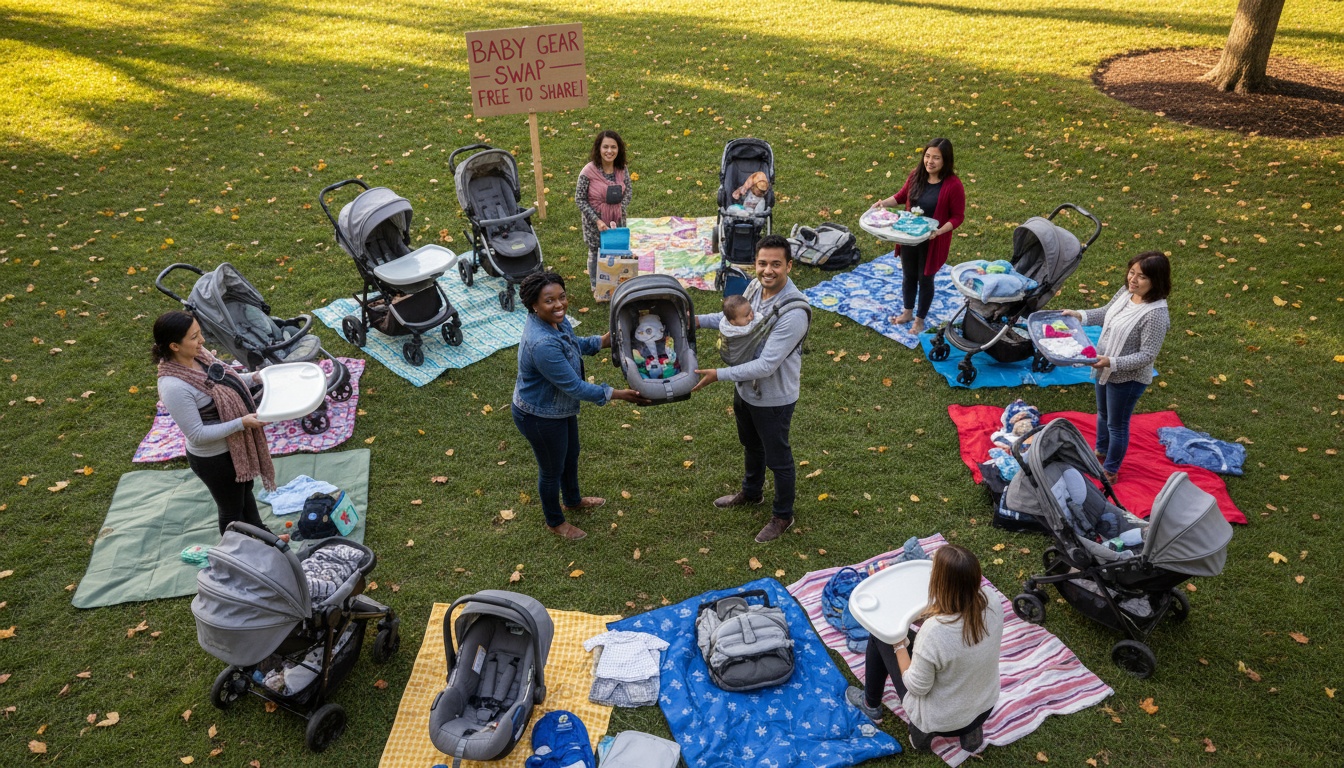
How to Find Local Community Resources
Apps like Nextdoor can be useful for finding posts about baby items or creating posts requesting specific needs, though availability varies by neighborhood and community activity levels.
Check Facebook for local mom groups, which often share information about free resources and organize informal swaps. Search "[Your City] Moms" or "[Your County] Mom Exchange" to find active groups.
Free Postpartum Support and Mental Health Resources
Actually, here's something most guides won't tell you: many communities offer free baby resources from sources like your local fire department (car seat inspections and safety education) or public health department (free parenting classes and postpartum support groups), though availability varies by location.
Many hospitals offer free new parent classes covering breastfeeding, infant CPR, and postpartum mental health support. These services provide valuable education rather than physical items but can save hundreds in private class fees.
Postpartum Support International offers free support groups and resources for maternal mental health. Many communities also have free lactation consultants available through WIC or local health departments.
Beyond physical items, some parents find that audio-only baby monitoring solutions provide additional peace of mind during sleep hours.
5. Want to Know the Difference Between Getting a Few Samples Versus Building a Complete Starter Stash?
Organization makes all the difference. Create a simple tracking system using a spreadsheet or notebook to record application dates, requirements, and expected delivery times.
Start with insurance-covered items since these offer the highest value. Call your insurance company first, then contact your healthcare provider to request necessary prescriptions or documentation.
Apply to major retailer programs next. Create registries at Target, Amazon, and Walmart during the same week to streamline the process. Add items you actually need rather than random products just to meet minimum requirements.
Submit applications to formula companies even if you plan to breastfeed exclusively. Formula samples provide backup options and can be donated to food banks if unused. Both Enfamil and Similac programs are free and require only basic contact information.
Research local resources last, since these often have specific pickup times or limited availability. Contact organizations directly rather than relying on outdated website information.
Application Timeline and Organization
| Week Range | Action | Priority |
|---|---|---|
| 20-24 | Apply for insurance-covered items, create retailer registries | High |
| 25-28 | Submit formula company applications, research local programs | High |
| 29-32 | Follow up on pending applications, apply to missed programs | Medium |
| 33-36 | Confirm delivery addresses, contact customer service for delays | Medium |
Keep a simple checklist with company names, application dates, and tracking numbers. This prevents duplicate applications and helps you follow up on delayed shipments.
6. Scams to Avoid and Red Flags
I've seen too many moms miss out because they fell for fake programs. Legitimate free baby programs never ask for credit card information upfront or require you to pay processing fees beyond actual shipping costs.
Be suspicious of offers requiring payment to "unlock" free samples or asking for Social Security numbers.
Fake sample programs often use urgent language like "limited time offer" or "exclusive invitation" to pressure quick decisions. Legitimate companies allow time to review terms and conditions.
Data harvesting schemes disguised as sample programs collect personal information to sell to marketing companies. These fake programs often have generic websites with stock photos and no clear company contact information.
Always verify company authenticity by checking Better Business Bureau ratings and reading recent customer reviews. Legitimate baby brands maintain active social media accounts and provide customer service phone numbers.
Legitimate Program Verification
Real programs clearly state shipping costs, delivery timeframes, and eligibility requirements. They use secure websites (look for "https" in the URL) and provide detailed privacy policies explaining how your information will be used.
Avoid programs that require you to share social media posts, refer multiple friends, or complete lengthy surveys unrelated to baby products. That's because these are usually marketing schemes rather than genuine sample programs.
7. Pro Tips for Maximizing Your New Mom Freebies
- Due date timing: Apply using your due date rather than current pregnancy week when programs ask for timing to extend eligibility windows
- Email organization: Create a separate email address like "yourname.baby@gmail.com" to keep promotional messages organized
- Seasonal timing: Some programs may offer increased sample availability during certain months, though this varies by company
- Multiple categories: Join multiple programs from the same category since formula companies, diaper brands, and baby care manufacturers often partner with different retailers
- Early application: My biggest regret was not applying to all the baby sample programs early enough
Don't make the same mistake I did.
8. Key Takeaways
- Second trimester timing (weeks 20-24) optimizes delivery schedules and ensures items arrive before your due date
- Insurance-covered breast pumps offer the highest value at $200-400 per item through ACA requirements
- Major retailers (Target, Amazon, Walmart) provide sample boxes for registry creators
- Government programs like WIC and Medicaid serve specific income guidelines but offer extensive benefits
- Local community resources often provide larger items like clothes and gear through Buy Nothing groups
- Scam programs require upfront payments or Social Security numbers — legitimate programs don't
- Organization and timing matter more than applying to every available program — focus on high-value opportunities first