
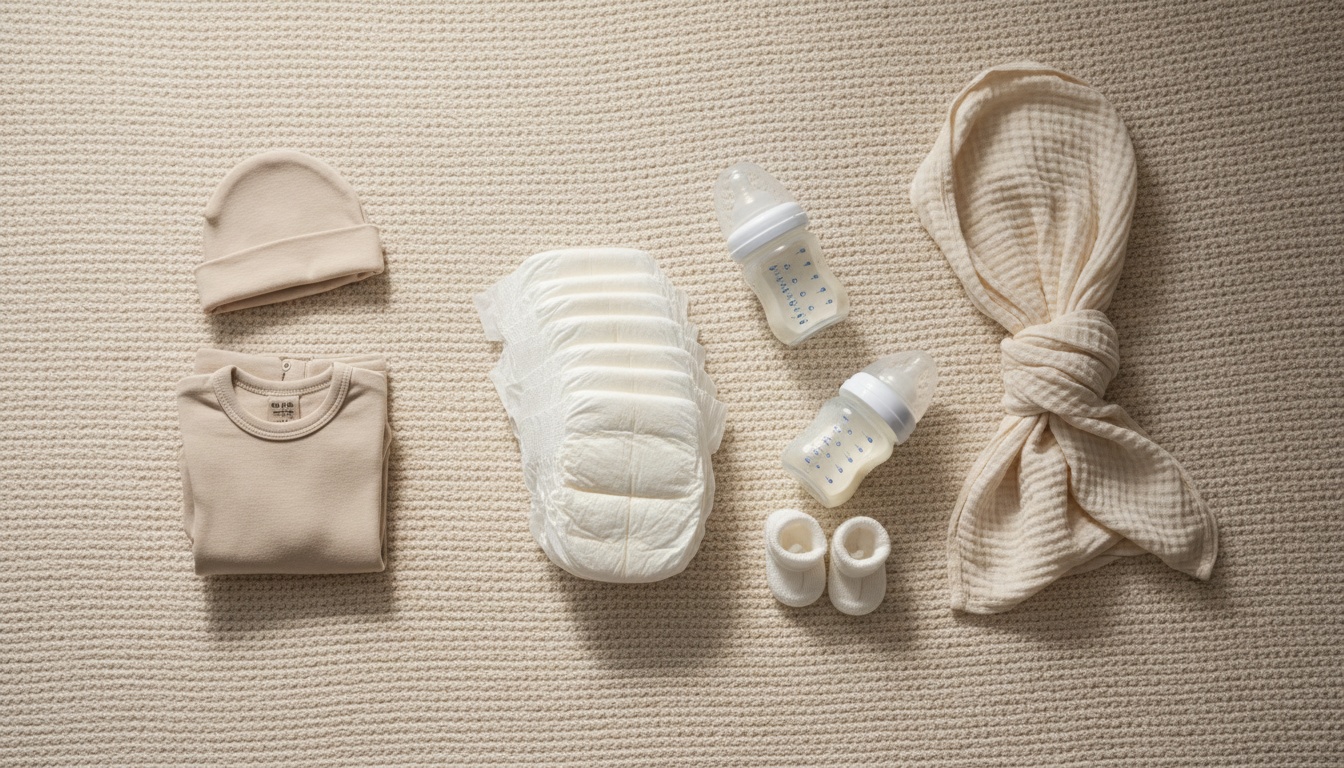
1. What You Actually Need Before Baby Arrives (vs. What You Think You Need)
The baby gear industry profits from new parent uncertainty. Walk into any baby store and you'll find 47 different types of bottle warmers, each promising to solve problems you didn't know existed.
Actually, let me back up — many parents report issues with wipe warmers, including dried-out wipes that can cause skin irritation. Babies have four primary needs in their first weeks: they need to eat, sleep safely, stay clean, and be comforted. Everything else is convenience or marketing.
The Three-Tier Priority System
Tier 1: Cannot leave hospital without these
- Car seat (properly installed)
- Going-home outfit
- Receiving blankets
Hospitals typically provide diapers during your stay, and you may receive formula samples depending on the hospital's policies and your feeding plans.
Tier 2: Need within first week
- Safe sleep setup
- Feeding supplies for your chosen method
- Diapers and wipes for home
- 4-5 complete outfit changes
Newborns go through clothes faster than you'd expect.
Tier 3: Helpful but not urgent
- Baby monitor
- Bouncy seat
- Play mat
- Organizational items like a diaper bag
These improve quality of life but won't derail your first weeks if they arrive late.
Baby registry checklists often treat Tier 3 items like emergencies. A baby monitor won't help if you don't have enough burp cloths.
2. The Non-Negotiable Essentials: Safety and Sleep First
Car seats and safe sleep setups aren't negotiable — they're legally required and medically recommended. But the specific products within these categories offer real choices that affect your daily life.
Why Safety Items Deserve Your Biggest Budget
Safety items can't be compromised on quality, but expensive doesn't always mean safer. Installation matters more than brand. Schedule a car seat inspection with your local fire department before baby arrives. Even expensive seats fail if installed incorrectly.
Car Seat Reality Check
What's the Difference Between Infant Seats and Convertibles?
Infant seats click into bases and strollers for frequent trips; convertibles stay in the car but work birth-to-toddler. Choose based on lifestyle: multiple cars = infant seat; single car = convertible.
We've seen families with multiple cars choose infant seats for the portability. Single-car families often prefer convertibles to avoid buying twice. Neither choice is wrong — it depends on your lifestyle.
Sleep Setup That Actually Works
Bassinet vs crib timing and space considerations
Bassinets work for 3-4 months maximum, then you'll need a crib anyway. If your nursery is ready and you have space, start with the crib. If baby will room-share initially, a bassinet makes sense.
The American Academy of Pediatrics recommends room-sharing for at least the first six months, and ideally up to a year, making bassinets practical for many families. Just don't register for both unless space and budget allow.
What Swaddle Types Keep Babies Secure?
Velcro swaddles like SwaddleMe and zip-up options like Halo SleepSack stay secure through the night, meaning fewer middle-of-the-night re-swaddling sessions and more uninterrupted sleep for both you and baby. Many parents find that traditional receiving blankets come loose more easily as babies move during sleep.
Many parents find they need 3–5 washable swaddles in newborn and 0-3 month sizes. Babies outgrow them quickly, and you'll need backups when one inevitably gets soiled at 2 AM.
Sound machines aren't required but they're close. White noise helps babies sleep through household sounds and creates consistent sleep cues — which means your baby sleeps through the dog barking and your partner's snoring, and you get the predictable sleep patterns that make nighttime parenting less exhausting. Simple models work as well as expensive ones — you're buying steady sound, not smart features.
Many parents find that simple audio monitoring—without cameras or cloud storage—offers a privacy-focused alternative to video monitors. If you already have a spare smartphone, you can use audio monitoring apps, potentially saving money while keeping your data private.
For comprehensive guidance on nursery setup and sleep wellness, check out our complete nursery setup guide that covers everything from room temperature to audio monitoring tools for newborns.
3. Feeding Supplies: Customize by Your Method
Your feeding method determines half your registry needs, yet most first time mom registry lists ignore this reality. A breastfeeding-only family needs different items than a formula-feeding family.
Breastfeeding-Only Registry Essentials
Many insurance plans provide a breast pump at no cost, so research your coverage before registering for one. Hospital-grade pumps work better for establishing supply, but personal-use pumps suffice for occasional bottles.
You'll still need bottles even if exclusively breastfeeding. Babies may refuse bottles if introduced too late, so plan for at least 2-3 bottles for practice feeds around 3-4 weeks.
Nursing bras, breast pads, and nipple cream belong on every breastfeeding registry — these prevent the leaking, soreness, and wardrobe damage that can derail breastfeeding in the first weeks. Lanolin-based creams work for most mothers, but some prefer coconut oil or other natural alternatives.
Formula-Feeding Specific Needs
How Many Bottles Do Formula-Fed Babies Need?
Formula-fed babies need 6-8 bottles minimum for 8-12 daily feedings. You can't wash bottles fast enough with fewer than six on hand.
Many parents report that Dr. Brown's Original bottles help reduce colic symptoms, though individual babies have different preferences and what works for one may not work for another. Register for 2-3 different bottle types in small quantities, then buy more of whatever your baby accepts.
Nipple flow rates matter more than bottle brands. Start with slow-flow nipples and increase as baby grows. Fast-flow nipples can cause choking in newborns.
Combination Feeding: What You Need for Both
Combination feeding requires the most equipment but offers the most flexibility. You'll need everything from both lists above, plus storage bags for pumped milk and a bottle warmer (though this falls into the "nice to have" category).
Pumping and formula feeding means more bottle washing. Consider a bottle sterilizer if you don't have a dishwasher, or register for extra bottles to reduce daily washing loads.
4. Registry Items for Mom's Recovery (Often Forgotten)
Most baby registry checklists focus entirely on baby gear, forgetting that new mothers need recovery items too. Postpartum essentials can make those first weeks more manageable.
Postpartum Comfort Essentials
Comfortable nursing robes with easy access for feeding sessions are often preferred over regular pajamas — you'll live in these for the first month, and easy access means you can feed without fully undressing during those 2 AM sessions. Look for robes with pockets for burp cloths and your phone.
Nursing pads prevent embarrassing leaks during the early breastfeeding weeks. Disposable pads work for occasional use, but washable bamboo pads save money long-term if you're planning to breastfeed for months.
Comfortable slippers with good grip prevent falls on hospital floors and at home. Your feet may be swollen for weeks after delivery, so choose slippers with adjustable straps rather than fixed sizes.
Recovery Support Items
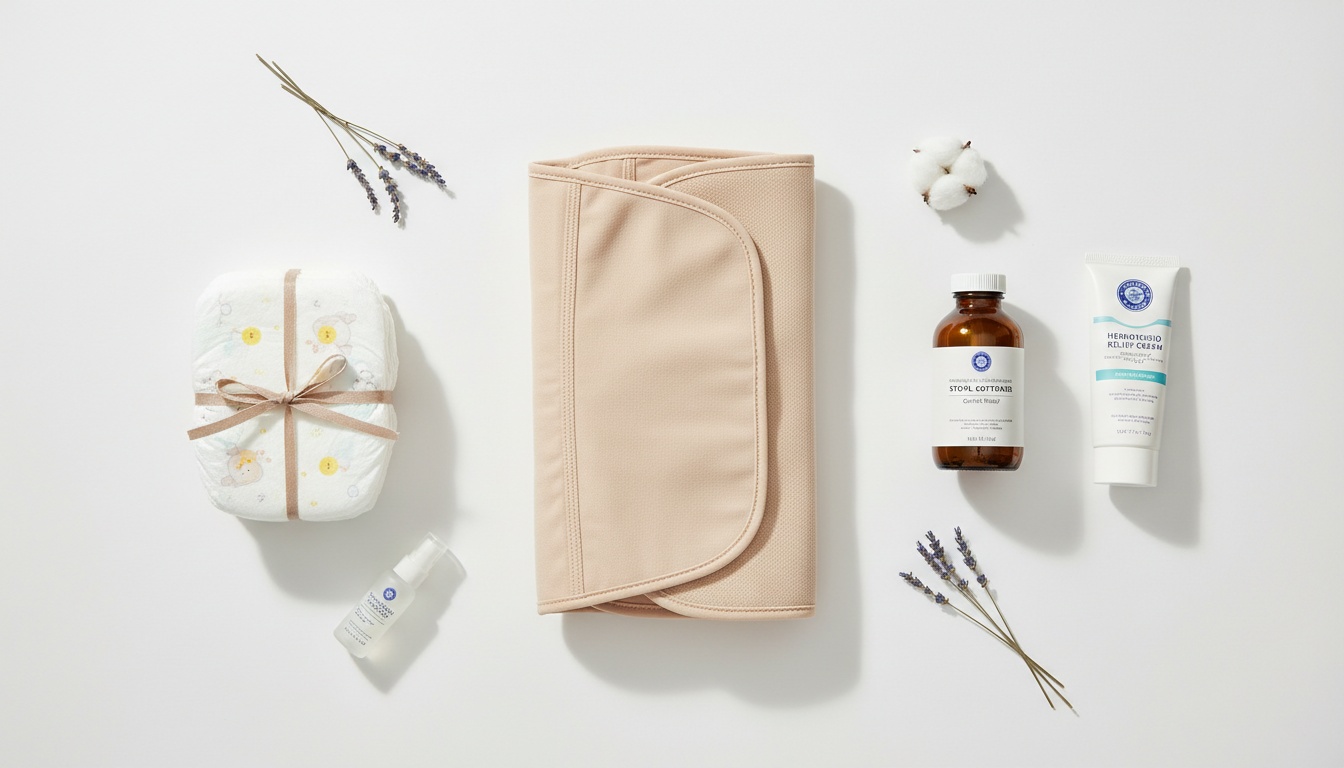
Postpartum support garments are often recommended for abdominal recovery after both vaginal and cesarean deliveries — they may help with back pain, make movement more comfortable, and help you feel more stable when you're sleep-deprived and carrying a baby. These aren't just vanity items.
Stool softeners and hemorrhoid relief products belong on every registry, though guests rarely think to buy them. These medical necessities make recovery significantly more comfortable.
5. Diapering, Bathing, and Daily Care Essentials
Newborns use 10-12 diapers daily for the first month. That's roughly 300 diapers in newborn size alone, assuming average growth patterns.
How Many Diapers Should You Register For?
Newborn vs size 1: quantities to register for
Many babies skip newborn diapers entirely, moving to size 1 within days of birth. Register for one small pack of newborn diapers and focus on size 1 for your main supply.
Size 1 diapers work from 8-14 pounds, covering most babies' first 2-3 months. Register for 3-4 large packs of size 1 diapers — you'll use them all.
What Wipe Type Is Best for Newborn Skin?
Sensitive skin wipes prevent rashes better than standard wipes. WaterWipes contain only water and grapefruit seed extract, making them ideal for newborn skin.
Wipe warmers can dry out wipes, reducing their effectiveness. Room temperature wipes work fine and don't require another gadget to maintain.
Should You Buy a Changing Table or Pad?
Changing tables with storage work well in spacious nurseries, but changing pads on dressers save space and money. Both options work safely when used correctly.
Wall-mounted changing stations work in small spaces but require proper installation into wall studs. Portable changing pads allow diaper changes anywhere in your home.
What Bathing Supplies Do Newborns Actually Need?
Newborns need baths 2-3 times weekly, not daily. Baby bathtubs make the process easier but aren't required — clean sinks work for tiny babies.
Gentle baby wash and shampoo, soft washcloths, and hooded towels cover bathing basics. Fancy bath toys and bubble baths wait until babies can sit up independently around 6 months.
6. Sustainable Registry Swaps
Eco-conscious parents can make simple swaps that reduce environmental impact without sacrificing functionality. Sustainable options typically cost 20-30% more upfront, though many pay for themselves over time.
Eco-Friendly Diaper Options
Bamboo diapers like Honest Company often biodegrade faster than traditional diapers while offering comparable absorbency. Cloth diapers require higher upfront costs but can save money long-term.
Reusable wipes made from organic cotton replace disposable wipes for everyday cleaning. Keep disposable wipes for messy situations, but cloth wipes handle 80% of diaper changes effectively.
Sustainable Clothing and Gear
Organic cotton onesies typically cost more initially but may last through multiple children and wash cycles. Hand-me-downs work perfectly for most baby clothes since wear time is so short.
Wooden toys and natural fiber blankets replace plastic alternatives that babies outgrow quickly. These items often become keepsakes rather than landfill waste.
7. Clothing Quantities Guide: How Many of Each Item You Really Need
Baby clothes sizing runs differently than adult sizing, and growth spurts happen faster than expected. Most parents register for too many newborn sizes and too few larger sizes.
What Clothing Sizes Should You Register For?
Why registering for 3-6 month sizes is smarter
Newborn clothes fit for 2-4 weeks maximum. 0-3 month sizes work for 2-3 months. But 3-6 month clothes may fit for several months, potentially giving you better value per item.
Many parents find success registering for 10–12 complete outfits total, distributed across sizes based on growth patterns rather than equal quantities in each size.
How Should Seasonal Timing Affect Clothing Sizes?
Consider your due date when selecting clothing sizes. A July baby wearing 6-month clothes in January needs different items than a December baby wearing the same size in June.
Summer babies need lightweight onesies and sun hats in larger sizes. Winter babies need warm sleepers and jackets as they grow. Plan clothing purchases around seasons, not just sizes.
What Clothing Features Matter Most for Newborns?
Onesies with snaps at the crotch work better than pullover shirts for frequent diaper changes. Sleep and play outfits that zip from the foot make nighttime diaper changes easier than snap-up versions.
The American Academy of Pediatrics notes that baby shoes can interfere with foot development if used when babies are too young. Babies don't need shoes until they're walking outdoors regularly.
Avoid clothes with excessive buttons, ties, or decorative elements that complicate dressing. Sleep-deprived parents appreciate simple designs at 3 AM.
8. What to Skip if This Isn't Your First
Second-time parents can skip several items that seemed necessary for baby #1 but rarely got used. Focus your registry on consumables and items that wore out from your first child.
Items You Probably Still Have
Baby bathtubs, changing tables, and most nursery furniture survive multiple children. High chairs, bouncy seats, and swings also last if stored properly between babies.
Books, toys, and decorative items rarely need replacing unless damaged. Your toddler may enjoy "helping" with baby's bath using the same bath toys.
What Actually Needs Replacing
Car seats expire after 6-10 years depending on manufacturer, so check expiration dates on your existing seat. Cribs manufactured before 2011 don't meet current safety standards and should be replaced.
Bottles and pacifiers should be replaced due to wear and hygiene concerns. Breast pump parts also need replacement, though the motor unit often works for multiple children.
9. Common Registry Mistakes and What Experienced Parents Wish They'd Known
The gap between first-time parent registries and experienced parent recommendations reveals which items actually matter. Many parents report buying wipe warmers they never used, too many newborn-size clothes, and wishing they'd registered for more burp cloths.
The "Seemed Like a Good Idea" List
Wipe warmers, bottle warmers, and other single-use gadgets
Many parents find that wipe warmers dry out wipes and add another step to diaper changes. Bottle warmers work slower than running bottles under warm water. Both gadgets solve problems that don't really exist.
Single-purpose items rarely justify their cost or counter space. Multi-use items like bouncy seats that convert to toddler chairs offer better long-term value.
Expensive items with short usage windows
Infant bathtubs work for 4-6 months before babies outgrow them. Changing tables become regular furniture once diaper changes move to floors or beds. Consider how long you'll actually use expensive items.
Bouncy seats, swings, and play mats have 6-9 month usage windows. They're helpful but not required. Borrowing from friends or buying secondhand makes more financial sense for short-term items.
Overlooked Items That Would Have Made Life Easier
Burp cloths are often needed in quantities of 8-10, not 2-3. Newborns typically spit up frequently throughout the day, and you'll run out of clean burp cloths before running out of clean onesies.
Extra crib sheets (4-5 total) prevent middle-of-the-night sheet changes when one gets soiled. Waterproof mattress protectors save the mattress and your sanity.
Night lights help with nighttime feedings and diaper changes without fully waking baby. Simple plug-in models work better than smartphone flashlights.
A quality diaper bag with multiple compartments keeps essentials organized for outings. Look for bags with insulated bottle pockets and easy-clean interiors.
Baby carriers allow hands-free movement while keeping baby close. Soft-structured carriers like Ergobaby work from newborn through toddler years with proper inserts.
Registry Timing: When to Create and When to Buy Remaining Items
Many parents begin building a registry around week 12 of pregnancy, giving them several months to research and refine their lists. This timing allows for baby shower planning around months 6-7 of pregnancy.
Around week 20, many parents-to-be learn the sex of their baby, making this an ideal time to finalize your registry. Gender-specific items can be added then, though most items work for any baby.
Use completion discounts on remaining registry items after your shower. Many stores offer completion discounts to help parents purchase what they still need from their registries.
10. Registry Strategy: Budget, Timing, and Where to Register
Gift-giving patterns suggest that distant or new friends typically bring gifts in lower price ranges, closer friends and family spend moderately, and closest family and friends spend more generously. Most gifts should be in the $15-70 price range, so include plenty of options at different price points.
Budget Allocation Across Categories
Safety items (car seats, cribs) deserve the largest budget allocation since they can't be compromised on quality. Budget $300-600 for safety gear including car seat, crib, and mattress.
Feeding supplies rank second, especially if you're formula feeding or pumping. Budget $200-400 for feeding supplies including bottles, pump accessories, and storage solutions.
Clothing and accessories offer the most flexibility for budget-conscious families. Babies outgrow clothes quickly, making expensive outfits less worthwhile than investing in quality basics.
Store Selection Based on Return Policies and Convenience
Babylist and The Bump allow you to add products from multiple different stores, giving you access to better prices and selection. Traditional single-store registries limit your options but simplify gift-giving for older relatives.
Consider return policies when selecting registry stores. Babies have preferences that research can't predict, and you may need to exchange bottles, pacifiers, or other items.
For detailed comparisons of baby gear across different price points, see our comparing baby gear by price point that covers everything from travel systems to nursery furniture.
Group Gifts vs Individual Items Strategy
Expensive items like car seats, cribs, and strollers work well as group gifts from multiple family members. List these items clearly as "group gift options" to help gift-givers coordinate.
Include plenty of individual gift options under $50. Not everyone wants to coordinate group purchases, and smaller items ensure all gift-givers find suitable options.
Consider creating a baby registry checklist that groups items by price range, making it easier for gift-givers to find appropriate options within their budgets.
This evidence-based guidance draws from lactation consulting experience and parent feedback to help families navigate the newborn stage with practical, tested recommendations.
11. Key Takeaways
- Focus registry priorities on safety items first, feeding supplies second, and convenience items last
- Register for more diapers and fewer newborn clothes than you think you need
- Skip single-purpose gadgets like wipe warmers that experienced parents never use
- Create registries by week 12 of pregnancy, complete by week 20, and use completion discounts after showers
- Include gift options across all price ranges to accommodate different gift-giving budgets
- Consider your feeding method, space constraints, and seasonal needs when selecting specific items
- Remember that babies need less equipment but more consumables (diapers, wipes, clothes) than marketing suggests
- Don't forget postpartum recovery items for mom
- Second-time parents can skip most gear and focus on consumables and expired safety items
- Eco-friendly swaps cost 20-30% more upfront but often save money long-term
One more thing: audio monitoring. Many parents find video monitors useful, but if you're looking for a simple, privacy-minded monitor with no additional hardware required, explore how BabyRadar works: cry detection and alerts are free and run on-device, and the camera is opt-in and stays off between uses.
For additional guidance on what to register for based on your specific situation, check out our first-time mom registry essentials guide that covers everything from baby bedding to travel systems.