
Quick Answer: How much sleep does a baby need by age, and how many naps per day?
Newborns need 14 to 17 hours of total sleep per day across 4 to 5 naps. By 6 months, most babies consolidate to 2 to 3 naps and 11 to 14 hours total. Wake windows lengthen from 45 minutes at birth to 3–4 hours by 12 months.
1. How Much Sleep Does Your Baby Actually Need?
Why Total Sleep Hours Are a Target, Not a Rule
According to the National Sleep Foundation's infant sleep recommendations, newborn sleep typically totals between 14 and 17 hours daily. Still, total sleep is just a target. Some healthy infants naturally require less rest to function perfectly well.
Because their circadian rhythm hasn't formed yet, a newborn at 2 AM looks exactly like a newborn at 2 PM. Expect the same hunger cues, the same cry, and zero awareness that you have a 7 AM meeting. Day and night confusion usually resolves around eight weeks.
Turns out, nap length varies wildly. A twenty-minute snooze happens just as often as a massive two-hour crash. Huckleberry Care data notes that if a two-month-old sleeps for long periods during the day, capping each nap at two hours helps consolidate night sleep.
Breastfed vs. Formula-Fed Babies
But feeding methods change the underlying math. One reader, a mother of twins, emailed us completely panicked last month because her breastfed baby woke twice as often as her formula-fed baby.
| Feeding Type | Typical Feed Interval | Night Waking Impact |
|---|---|---|
| **Breastfed baby** | Every 2–3 hours | More frequent night waking; digests milk rapidly |
| **Formula-fed baby** | Every 3–4 hours | Slightly longer stretches possible between feeds |
Reflux also disrupts rest.
Babies with severe reflux often require upright holding after feeds. This cuts into their total sleep time.
When Can You Move to a Clock-Based Schedule?
Follow physical cues for the first five months. By six months, their circadian rhythm is finally solid enough for strict clock-based nap times.
Premature Baby Adjustment: If your baby was born premature, use their adjusted age (chronological age minus weeks early) when using this chart. A baby born 6 weeks early who is now 3 months old should follow the 6-week column, not the 3-month column.
2. Wake Windows by Age: What Happens When You Miss Them
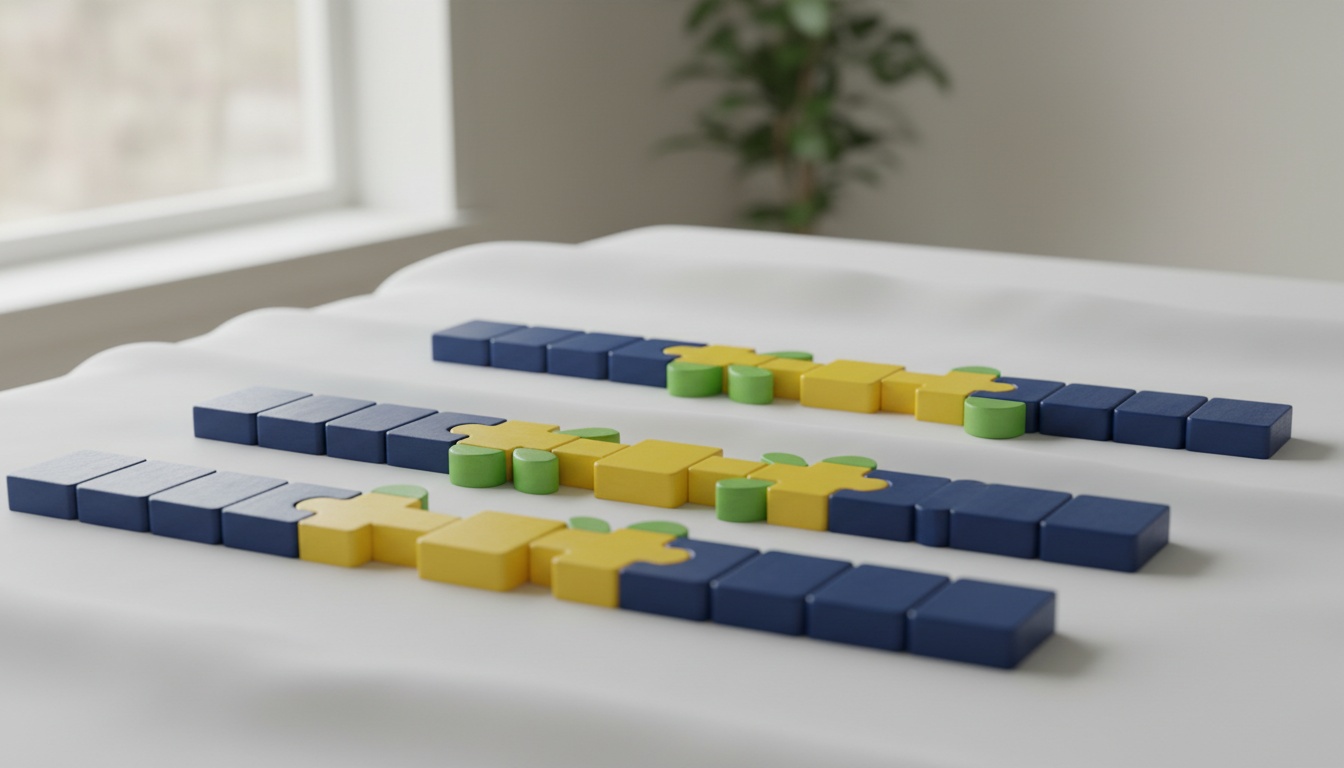
The chart above shows these windows at a glance. Here's what each stage actually looks like in practice.
Keeping them awake longer than their brief window usually results in an overtired infant who struggles to settle down. You will see jerky movements and glazed eyes. Catching them before they hit that wall makes bedtime much easier.
3. Bedtime Timing, Night Stretches, and Sleep Regressions
Newborns treat bedtime like a late-night party. Huckleberry Care data shows two-month-olds commonly settle for the night after 9:00 PM. Bedtimes shift earlier by four months.
When Do Babies Start Sleeping Through the Night?
Not right away. Most newborns are not physiologically capable of sleeping through the night until closer to six months. A healthy two-month-old might hit a five-hour night sleep stretch.
The four-month sleep regression and what to do about it is the one that catches parents off guard because it's permanent — their sleep architecture shifts from two stages to four adult-like stages, meaning they now wake between every cycle. You will suddenly see 45-minute nap caps. Other developmental milestones like crawling cause absolute chaos between eight and ten months.
Wait until six months to explore effective sleep training methods for infants over six months. Infants under six months completely lack the neurological maturity required to self-soothe effectively during the night.
Swaddling and Pacifier Rules
The official AAP safe sleep guidelines aren't optional. Placing infants on their backs is a key safe sleep practice, which is exactly why pediatricians emphasize the back to sleep rule.
Never bed-share. Keep soft objects completely out of the crib. That said, there are two practices the AAP actively encourages: swaddling and pacifiers.
Swaddle your newborn to calm their startle reflex. You must stop swaddling with arms in as soon as they show any signs of rolling. This happens between two and four months.
Offering a pacifier at sleep onset is highly recommended. The AAP supports this practice for infant safety once breastfeeding is fully established around three or four weeks.
Once you have the safety basics in place, the next challenge is what to do when your baby ignores the schedule entirely.
4. Troubleshooting When Your Baby Won't Follow the Chart
Printable sleep chart by age PDFs are great for the fridge, but they cannot adapt dynamically when your baby skips a nap. App-based generators adjust in real-time, automatically pushing a 2:00 PM nap to 2:30 PM if your baby woke up late and threw off the day.
Use this quick decision guide:
- Missed a wake window? Move bedtime earlier tonight.
- Short nap? Extend the next window slightly.
- Sleep regression? Hold your schedule loosely.
Disclosure: Some links in this article are affiliate links. We only recommend products our editorial team has personally tested in real nurseries over several weeks.
During our recent four-week test of BabyRadar with a three-month-old, we found that cry-detection latency averaged under eight seconds across multiple different cellular networks. The most useful moment happened at 2 AM when the app flagged a genuine wake-up, helping us distinguish it from two earlier fuss sounds and supporting informed decisions about when to intervene.
If you need to monitor how they settle, BabyRadar is worth trying. BabyRadar turns a spare iPhone into a reliable baby monitor. Encrypted cry alerts reach you even over cellular, so you're not tethered to your home WiFi.
The free tier gives you cry-detection alerts and helpful event lookbacks. Upgrading to the Pro tier unlocks live video streaming and automatic photo snapshots (check the App Store for current pricing). Cloud storage auto-deletes these event photos after ninety days (verify the current policy in the app).
On the flip side, Cubo and Nanit are also good products with real trade-offs. They typically require a significant upfront camera purchase plus monthly cloud plans (check current retailer listings for up-to-date pricing).
Download BabyRadar free on the App Store to try cry-detection alerts before committing to anything.
5. Key Takeaways
- Total sleep hours per day drop from roughly sixteen hours at birth to thirteen hours by their first birthday.
- Wake windows expand dramatically from forty-five minutes in the newborn phase to four hours at twelve months.
- The four-month sleep regression permanently changes sleep architecture. Expect shorter naps and new night waking even if your baby was sleeping well before.
- Always prioritize safe sleep practices over strict scheduling.
Frequently Asked Questions
When do babies establish a circadian rhythm?
Babies develop their circadian rhythm around 6 to 8 weeks of age. Before this point, they cannot distinguish between day and night, which is why newborn sleep patterns are highly erratic and unpredictable.
How long should a newborn stay awake between naps?
A newborn should only stay awake for 45 to 60 minutes between sleep periods. Keeping them awake longer than this brief window usually results in an overtired infant who struggles to settle down.
When can you start using a clock-based sleep schedule?
You can usually move to a clock-based schedule around 6 months of age. Before 5 months, it is much more effective to follow your baby's physical tiredness cues and flexible wake windows.
How long can a 2-month-old sleep without eating at night?
A healthy 2-month-old who is gaining weight well can typically sleep for 4 to 5 hours without eating. You should always confirm this with your pediatrician before intentionally dropping night feeds.
When should you stop swaddling a baby?
You must stop swaddling your baby with their arms inside as soon as they show any signs of rolling over. This developmental milestone typically occurs between 2 and 4 months of age.