
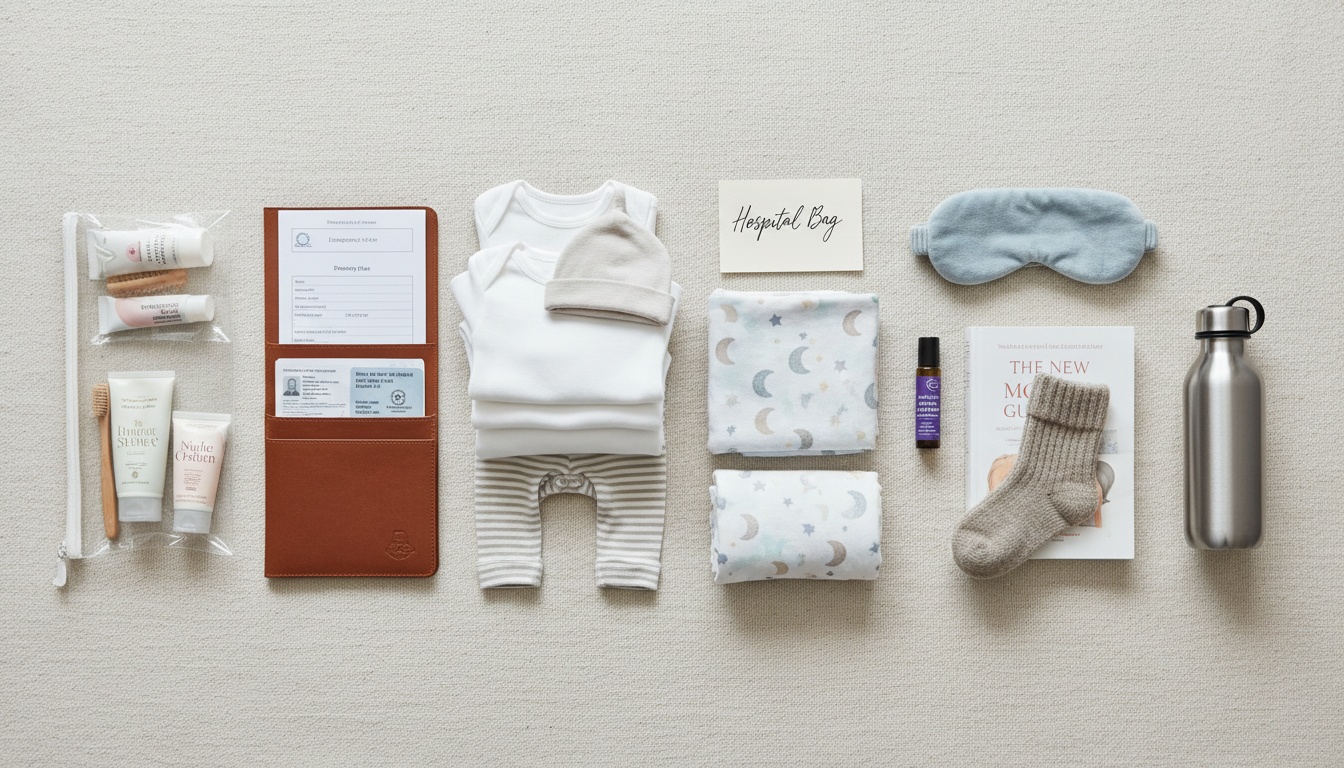
1. When Should You Start Packing Your Hospital Bag?
Third trimester preparation doesn't mean cramming everything into a bag at 38 weeks. Smart delivery day preparation happens in stages.
Many experts suggest starting to gather items around 32 weeks. This gives you time to wash baby clothes, test nursing bras for fit, and organize documents without pressure. By 35 weeks, your core items should be packed and easily accessible.
The final push comes at 37 weeks when you're officially full-term. Add perishable items like snacks, charge portable devices, and do a final check against your hospital's specific policies.
What Are the Signs Your Hospital Bag Is Ready?
Braxton Hicks contractions becoming more frequent signal it's time to move that bag to your car or by the front door. Once you hit 37 weeks gestation, assume baby could arrive any day—your bag should be completely ready, not "mostly ready."
2. What Do I Actually Need in My Hospital Bag for Birth?
Most hospitals provide diapers, blankets, basic toiletries, and mesh underwear during your stay. Your hospital bag should focus on comfort items and personal preferences that hospitals don't stock—not duplicating what's already there.
Labor and delivery comfort items make the biggest difference during those long early labor hours. Skip the Pinterest-perfect lists and focus on what actually helps during contractions and recovery.
Many hospitals have short cords that won't reach from wall outlets to your bed, so bring a long phone charger to be safe. Your birth plan deserves multiple copies—I recommend printing five copies and storing them in a clear folder. Labor nurses change shifts, so having copies readily available prevents repeating your preferences multiple times.
Pain relief comfort measures often get overlooked in favor of medical interventions. A tennis ball for back pressure, essential oils if your hospital allows them, and comfortable slippers for walking the halls can provide significant relief.
What Comfort Items Help During Labor?
Essential comfort items include: • Hair ties (bring extras—you'll lose them) • Long phone charger (10+ feet) • Birth plan copies (5 printed in clear folder) • Tennis ball for back pressure during contractions • Downloaded music playlists (hospital WiFi can be unreliable) • Essential oils (if your hospital allows them) • Comfortable slippers with grip for walking halls
What Documents Should You Bring to the Hospital?
Bring 5 copies of your one-page birth plan in a clear folder, plus insurance cards, hospital paperwork, emergency contacts, and any special medical information your support team needs. Keep documents in a separate envelope for easy access.
3. What Should Moms Pack in Their Hospital Bag?
Pack nursing bras typically one cup size larger than your current pregnancy size, comfortable postpartum clothing, disposable underwear, maternity clothes with nursing access, and going-home outfits in two sizes (pre-pregnancy and one size larger).
Nursing bras: • Often recommended to buy one cup size larger than current pregnancy size • If 36C at 32 weeks, many suggest 36D nursing bras • Quality nursing bras handle sudden milk engorgement without painful seams or restrictive elastic, so you can focus on feeding rather than discomfort during those critical first days
Postpartum care items: • Disposable underwear you can throw away (better than hospital mesh) • Nursing nightgown or button-front pajamas • Comfortable robe that opens in front • High-waisted underwear for C-section recovery
Going-home outfit sizing: • Pack your pre-pregnancy size AND one size larger • Your body won't bounce back immediately • You'll want options that actually fit
What Toiletries and Personal Items Should You Pack?
Basic toiletries include travel-sized shampoo, conditioner, body wash, toothbrush, and toothpaste. Hospitals provide soap, but you'll prefer your own products. Choose comfortable slippers with good grip to prevent slipping on hospital floors—pick ones you don't mind discarding if they get messy.
What Postpartum Recovery Items Should You Pack?
Disposable nursing pads prevent embarrassing leaks during those first few days when your milk supply is establishing—giving you confidence to move around your hospital room and bond with your baby without worrying about staining your clothes. Comfortable robes and slippers become your uniform for the first few days, so choose items that wash easily because accidents happen frequently with newborns.
4. Packing for Different Delivery Scenarios (Vaginal vs. C-Section)
Here's where most hospital bag checklists fail: they assume all deliveries are the same. Postpartum recovery looks completely different depending on your delivery type.
Vaginal delivery recovery often involves a 24-hour hospital stay, though this can vary based on individual recovery and hospital protocols. Your recovery focuses on perineal healing and managing bleeding. C-section recovery typically extends your stay to 2-4 days and requires different comfort measures.
The first time I saw a mom struggle to get out of bed because her pajama waistband hit right at her incision, I realized how crucial proper clothing choices are. Multiple scenario planning reduces anxiety because you're prepared regardless of how your delivery unfolds.

Vaginal Delivery Specifics
Perineal care items include witch hazel pads, a peri bottle (though hospitals provide these), and comfortable underwear that you don't mind discarding. Postpartum recovery often involves 6-8 weeks of healing, though the intensity of care needed can vary greatly among individuals, with many requiring the most intensive care items during the first week.
C-Section Recovery Additions
Abdominal support comes from high-waisted underwear and comfortable pajama pants that won't rub against your incision. Avoid anything with elastic waistbands that sit right at incision level. Extended stay considerations include extra phone chargers, additional comfort items, and entertainment for longer recovery periods.
5. Newborn Baby Items and Support Person Essentials
Baby clothing sizing creates the most second-guessing among new parents. Pack both newborn and 0-3 month sizes because babies arrive in all sizes—hospital gowns work fine for the first day or two.
Newborn baby items should focus on the trip home rather than hospital stay essentials. Hospitals provide diapers, blankets, and basic care items during your stay. According to Kaiser Permanente maternity guidelines, properly installed car seats are mandatory for hospital discharge—your baby cannot leave without one.
January babies need fleece sleepers and warm blankets, while July babies only need lightweight cotton onesies.
What Should Baby's Going-Home Outfit Include?
Pack weather-appropriate clothing with newborn and 0-3 month size options. For January babies, include fleece sleepers and warm blankets; for July babies, lightweight cotton onesies work perfectly. Some babies arrive weighing 10 pounds and skip newborn sizes entirely.
What Should Your Support Person Pack?
Pack a small pillow, comfortable clothes, and snacks for your support person. Hospitals have limited food options, especially overnight, and your support person needs sustenance during long labor periods. That narrow hospital chair becomes their bed for two nights.
Once you're home from the hospital, many parents find that understanding their baby's sleep patterns becomes the next preparation challenge—especially during those first unpredictable weeks.
6. Hospital Bag Organization Strategy and What to Leave at Home
Use clear packing cubes to separate labor items from postpartum recovery supplies. Leave expensive jewelry and valuable items at home—hospital rooms are small and items can disappear. Call your delivery hospital to verify their specific policies on provided items and restrictions.
Some hospitals provide nursing pads and disposable underwear; others don't. Some restrict essential oils; others allow them. Calling ahead prevents packing items you can't use.
What Apps Help Organize Your Hospital Bag?
Popular pregnancy apps often offer hospital bag checklists you can check off as you pack. Print your final checklist and tape it inside your bag for easy reference when you can't access your phone.
How Should You Organize Your Hospital Bag?
Use separate bags for labor versus postpartum items—this helps you grab exactly what you need when you need it. Keep comfort items in outside pockets and frequently used items at the top of your main bag for easy access during contractions.
Actually, here's something most guides get wrong: you don't need to pack for a week-long stay. Focus on essentials rather than overpacking.
How Can You Pack a Hospital Bag on a Budget?
Skip expensive "hospital bag" products marketed to pregnant women—regular comfortable pajamas work better than $80 "nursing nightgowns." Dollar store items work fine for disposable slippers, hair ties, and basic toiletries. Save money for items that matter like quality nursing bras.
7. Key Takeaways
- Start hospital bag packing around 32 weeks, finalize by 37 weeks for stress-free preparation
- Pack different items for vaginal delivery (24-hour stay) versus C-section recovery (2-3 days)
- Focus on nursing bras typically one cup size larger, comfortable going-home outfits in multiple sizes
- Organize items by usage phase: labor comfort, postpartum recovery, and going-home essentials
- Verify your hospital's specific policies before packing—amenities and restrictions vary widely
- Pack both newborn and 0-3 month baby clothes, plus properly installed car seat for discharge
- Support person needs comfort items, snacks, and entertainment for extended hospital stays
- Remember that understanding your baby's sleep patterns becomes your next preparation challenge once you leave the hospital