
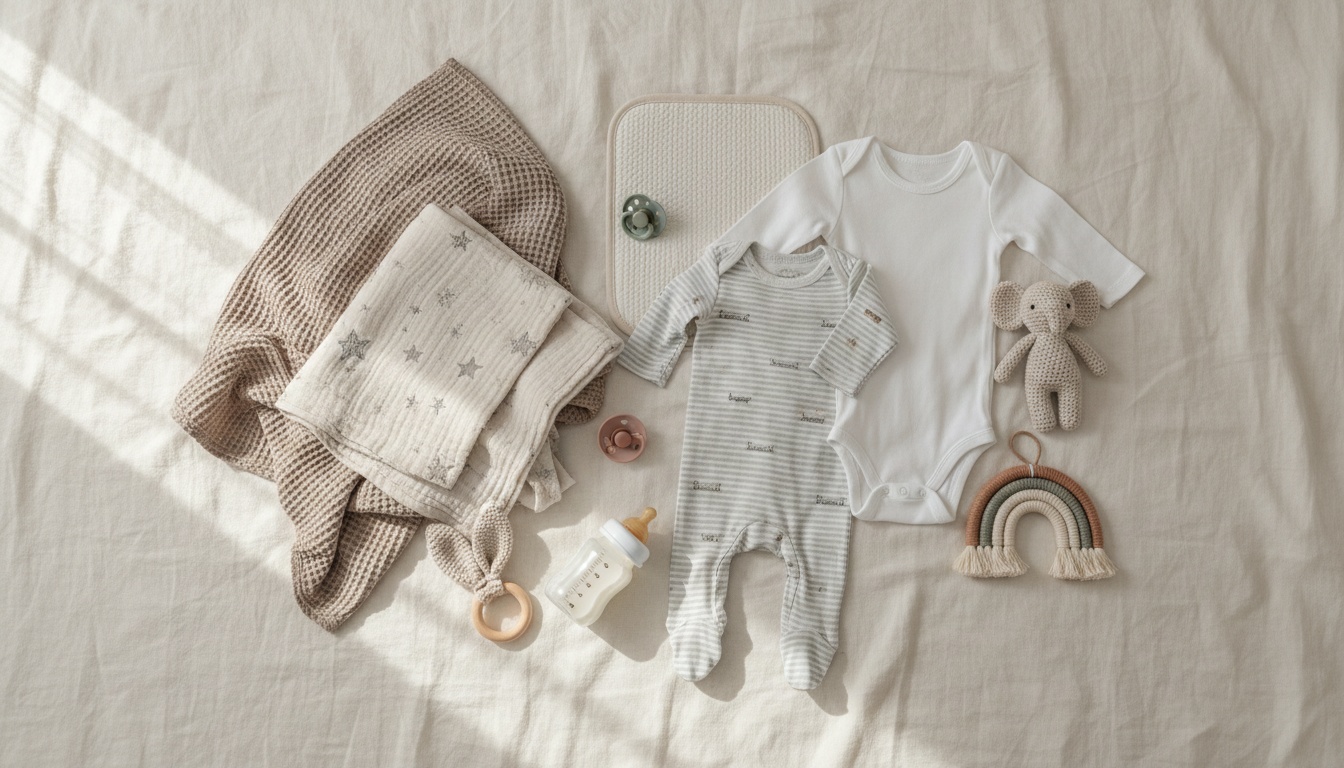
1. Why Do You Need a Baby Registry?
Your baby registry serves as your financial roadmap through the expensive first year of parenthood. Parents who use registries often find they can better manage costs through completion discounts and gift coordination, though exact savings vary by family.
Three key benefits make registries essential:
• Financial savings — Completion discounts and gift coordination reduce out-of-pocket costs • Gift-giver clarity — Friends know exactly what you need instead of guessing • Decision psychology — Forces you to research products before sleep deprivation kicks in
Gift-givers appreciate registries because they eliminate guesswork. Your college roommate doesn't need to wander Target wondering whether you prefer organic cotton or bamboo onesies. She can buy exactly what you need in the right size.
Parents who skip this step often end up with three different swaddle brands (none of which their baby likes) and zero burp cloths.
Many retailers offer completion discounts for remaining registry items, though specific offers may vary by store and timing.
2. When Should You Start Your Baby Registry?
Start your baby registry around your second trimester (typically 14-16 weeks of pregnancy). This gives you about two months to research products and complete your list before baby shower invites go out around 20-22 weeks.
Here's why timing matters:
Most baby showers are held in a mother's sixth or seventh month of pregnancy. Baby shower invites typically go out four to six weeks in advance of the party, which means your registry needs to be substantially complete by around 20-22 weeks.
Starting too early creates problems. You'll second-guess every decision and change items repeatedly. Starting too late means rushed choices and limited gift-giving time for your shower guests.
Coordinate with your partner early on big-ticket items like strollers and car seats. These decisions impact your daily life for years, not months.
3. What Categories Should Your Baby Registry Include?
Every baby registry must include six core categories: sleep, feeding, diapering, safety, clothing, and monitoring. Each category has non-negotiable items and nice-to-have additions.
The registry should focus on the first several months of your child's life. Resist adding toddler toys or 18-month clothing sizes. Your needs will change dramatically as your baby grows, and you'll want different products based on their actual personality.
Let's break down each category, starting with sleep.
Sleep Setup Priorities
Your newborn needs a safe sleep space from day one. Many parents prefer starting with a bassinet because it fits in your bedroom and makes nighttime feeding easier.
Fitted crib sheets prevent middle-of-the-night scrambling for clean bedding. Buy several so you can handle multiple accidents per night without running laundry constantly.
Swaddles help many newborns by containing their movements during sleep. Buy 3-4 different swaddle styles because babies have preferences you can't predict. Brands like Halo SleepSack and SwaddleMe offer different features that may work for different babies.
Sound machines create a portable sleep cue your baby will recognize in new environments, helping them sleep better at grandma's house or hotels. The Hatch Baby Rest+ offers various features that can be helpful for consistent sleep routines.
A baby monitor helps you hear your baby from other rooms. Some parents prefer traditional monitors with screens, while others use app-based monitors on phones they already own to reduce screen time and clutter.
Feeding Equipment Breakdown
Most insurances will provide you a breast pump free of charge, so check your coverage before adding one to your registry. Electric models like the Spectra S2 or Medela Pump in Style often save time compared to manual options.
Bottles confuse new parents because there are dozens of options. Consider starting with well-reviewed brands like Dr. Brown's Natural Flow or Tommee Tippee Closer to Nature bottles. Include both newborn and 3-6 month nipple flows.
Burp cloths become your constant companions during feeding sessions. The Gerber prefold cloth diapers are commonly used as burp cloths over decorative options because they're typically more absorbent.
High chairs can wait until solid foods start around 6 months. Focus your registry on the immediate newborn phase first.
4. What Items Do Most Parents Forget to Register For?
Beyond the basics, these often-missed items solve 2 AM problems you don't see coming:
Extra-long phone chargers let you stay in your nursing chair during night feeds without losing your comfortable position. Longer cables often reach from wall outlets to your nursing chair when standard 3-foot cables won't.
Motion-activated nightlights preserve your night vision during 2 AM diaper changes, so you can fall back asleep within 5 minutes instead of lying awake for 30+ minutes after turning on bright overhead lights. Motion-activated nightlights often provide gentle illumination that's easier on night vision.
Baby-specific laundry detergent reduces skin reactions that regular detergents can cause on sensitive newborn skin. Dreft Stage 1 or Seventh Generation Free & Clear formulas are gentler options.
Extra fitted crib sheets beyond the basic few become essential during growth spurts when accidents happen multiple times per night. Having plenty of sheets might seem excessive until you're doing laundry daily.
Diaper bag organization inserts transform basic bags into functional systems. Quality organizational features help you find pacifiers and wipes quickly when juggling a crying baby in public.
5. What Should Parents Add to Their Registry?
Your registry shouldn't stop at baby gear. Include postpartum recovery essentials that hospitals don't always provide. Comfortable nursing bras, disposable underwear, and nipple cream support physical recovery during those first weeks.
Meal delivery gift cards deserve spots on every registry because cooking becomes nearly impossible during the newborn phase. DoorDash or Uber Eats credits help when takeout becomes your primary food source.
A nursing pillow like the Boppy Original or My Brest Friend can support both baby and your back during long feeding sessions. Quality pillows typically maintain their shape better and may reduce neck strain.
Self-care items acknowledge that new parents need support too. Dry shampoo, comfortable slippers, and face masks provide small comforts during overwhelming early weeks.
In my experience helping families build their registries, parents who include recovery items for themselves adjust to parenthood more smoothly than those who focus solely on baby gear.
6. How Should Partners Discuss Registry Decisions?
Start registry conversations early with your partner to avoid last-minute disagreements. Create a shared Google Doc where both partners can add items and notes about preferences.
Divide research responsibilities by category. One partner researches car seats and strollers while the other focuses on feeding supplies and sleep items. This prevents decision fatigue and ensures thorough research.
Set a total budget before you start adding items. Knowing whether you're planning a $800 or $2,000 registry helps guide individual item choices and prevents sticker shock later.
Discuss your parenting philosophy early. If one partner wants organic everything while the other prioritizes budget-friendly options, work out compromises before building your list.
Schedule weekly 30-minute registry review sessions. Use this time to discuss new additions, remove items you've changed your mind about, and ensure you're both comfortable with the direction.
7. How Should You Structure Your Registry by Price Point?
Understanding gift-giving patterns helps you structure your registry effectively. Gift amounts typically vary widely based on the relationship and budget of the gift-giver.
Use this insight to structure your registry across multiple price points:
Under $25 Essentials:
- Burp cloths (register for 10-12)
- Baby laundry detergent
- Pacifiers in multiple styles
- Newborn clothes in 0-3 and 3-6 month sizes
- Receiving blankets
$25-$100 Must-Haves:
- Swaddles in various styles
- Sound machine (Hatch Baby Rest+)
- Diaper bag with organization features
- Baby monitor for peace of mind
- Nursing pillow (Boppy Original)
$100-$300 Priorities:
- Breast pump (if not covered by insurance)
- Bassinet or bedside sleeper
- Car seat (well-reviewed options like Chicco KeyFit 30 or Graco SnugRide)
- Baby carrier (Ergobaby, BabyBjörn)
- Quality stroller (options like UPPAbaby Vista, Baby Jogger)
$300+ Big-Ticket Items:
- Crib and mattress
- Changing table or dresser combo
- Premium stroller systems
- Glider or nursing chair
For families with limited budgets, consider prioritizing: car seat, crib, 4 fitted sheets, swaddles, bottles, burp cloths, diapers, and wipes. Everything else can wait or be borrowed from friends.
Include plenty of items across different price ranges to give guests comfortable options. Include items under $30 for shower guests who want to buy multiple small gifts or combine purchases.
If a gift costs $150 or more, make it a shareable gift through your registry platform. Group gifting allows multiple people to contribute toward expensive items like car seats or cribs.
8. How Can You Build a Minimalist Baby Registry?
Some parents prefer a minimalist approach focused on sustainable, multi-purpose items. This strategy reduces environmental impact while keeping costs manageable.
Choose quality items that grow with your baby. The Stokke Tripp Trapp high chair converts from infant seat to adult chair, eliminating the need for multiple furniture pieces over time.
Focus on natural materials like organic cotton, bamboo, and untreated wood. These materials often last longer and can be passed down to future children or friends.
Consider borrowing or buying used for items with short usage periods. Bassinets, infant car seats, and newborn clothes get used for just a few months, making them good candidates for secondhand purchases.
Register for experiences instead of items when possible. Meal delivery services, house cleaning, or baby photography sessions provide value without adding physical items to your home.
9. Which Baby Registry Platform Should You Choose?
Choose your baby registry platform carefully because each has different strengths. Amazon offers the widest selection and fast shipping, while Target provides excellent in-store pickup options and generous return policies.
Babylist and The Bump allow you to add products from multiple different stores, which gives you more flexibility but can complicate gift purchasing for some guests. Universal registries work best when you want specific brands that aren't available at major retailers.
Track your gifts immediately after your shower to simplify thank-you notes. Take photos of gifts with the gift-giver's name written on paper next to the item. Sleep deprivation makes it impossible to remember who gave you what three weeks later.
Return policies matter more than you'd expect. Babies have strong preferences you can't predict, and some items won't work for your specific situation. Understand each store's return timeline and keep gift receipts organized.
Communicate your registry preferences clearly to avoid duplicate gifts. If you're having multiple showers (work, family, friends), designate different registries for each group or mark items as purchased across all platforms.
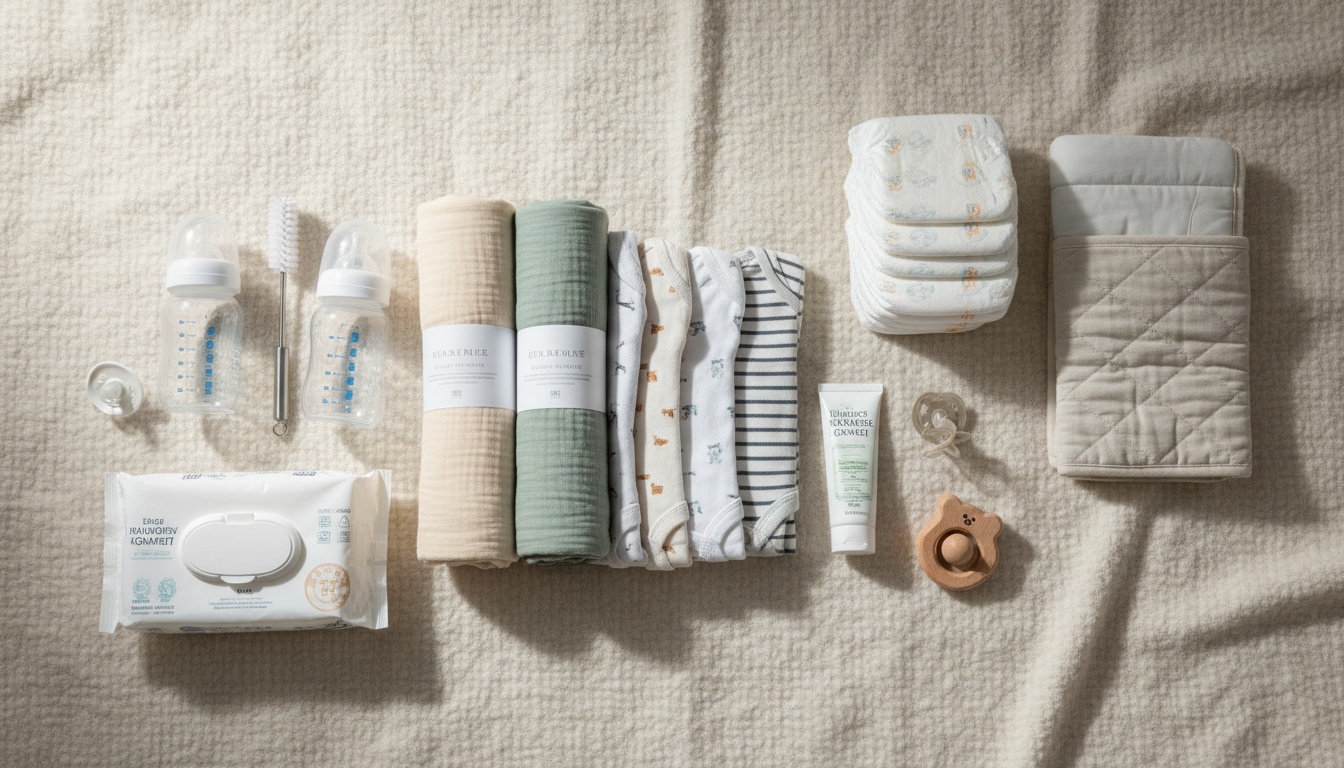
10. What to Put on Baby Registry: Age-Specific Breakdown
Your baby registry items should match your immediate needs rather than trying to cover the entire first year. Focus on newborn to 6-month essentials first.
Newborn (0-3 months) priorities:
- Sleep: bassinet, swaddles, fitted sheets
- Feeding: bottles, burp cloths, nursing supplies
- Diapering: newborn diapers, wipes, changing pad
- Clothing: onesies, sleepers, socks in newborn and 0-3 month sizes
3-6 month additions:
- Larger clothing sizes (3-6 months)
- Activity mat or play gym
- Bouncer or swing
- Larger bottles and faster-flow nipples
6+ month items to save for later:
- High chair
- Baby food maker or storage containers
- Sippy cups
- Baby-proofing supplies
Register for immediate needs first, then use completion discounts for items you'll need later. This strategy ensures you get the most essential items as gifts while saving money on future purchases.
11. What Should You Tell Gift-Givers About Your Registry?
Include a variety of price points ($15-300+) to accommodate different budgets. Not everyone can afford $100+ gifts, and having $15-25 options ensures all guests can participate comfortably.
Add your address to your registry so gifts can be shipped directly to you. This saves guests from transporting large items and ensures you receive gifts even if someone can't attend your shower.
Update your registry regularly as you receive gifts or change your mind about items. Nothing frustrates gift-givers more than buying something you already have or no longer want.
Consider adding a note about your preferences for gift wrapping or cards. Some parents prefer unwrapped gifts to reduce waste, while others enjoy the traditional unwrapping experience.
Thank guests promptly after your shower, typically within a few weeks when possible. Handwritten notes feel more personal than emails, but any acknowledgment is better than none.
12. [Printable Registry Checklist](internal-link-placeholder)
Priority Level 1 (Must-Have): □ Car seat □ Crib or bassinet □ Fitted crib sheets (4+) □ Swaddles (3-4 different styles) □ Bottles and nipples □ Burp cloths (10+) □ Diapers (newborn and size 1) □ Baby wipes □ Changing pad
Priority Level 2 (Very Important): □ Sound machine □ Baby monitor □ Nursing pillow □ Diaper bag □ Baby carrier □ Clothes (newborn, 0-3, 3-6 months) □ Baby laundry detergent □ Pacifiers
Priority Level 3 (Nice to Have): □ Stroller □ Bouncer or swing □ Play mat □ Extra long phone charger □ Nightlights □ Postpartum recovery essentials
13. Key Takeaways
Timing & Planning:
- Start your registry during the second trimester (14-16 weeks) to allow adequate research time
- Focus on the first nine months of your baby's life rather than toddler items
- Coordinate with your partner early about big-ticket items and parenting philosophy
Registry Content:
- Include items for parents' recovery and comfort, not just baby gear
- Don't forget practical items like extra phone chargers and nightlights
- Structure your registry across multiple price points to accommodate different gift-giving budgets
- Consider a minimalist approach if sustainability matters to your family
Communication & Logistics:
- Choose your registry platform based on your shopping preferences and guests' comfort level
- Track gifts immediately and understand return policies before you need them
- Use completion discounts strategically for items you'll need later
- Thank guests within a few weeks with handwritten notes when possible
I learned through helping dozens of families that the most successful registries balance practical needs with budget reality. The parents who thrive in those early months aren't the ones with the most expensive gear—they're the ones who planned thoughtfully and included support for themselves alongside baby essentials.
This article was written by a parent who has helped families navigate the overwhelming world of baby gear.